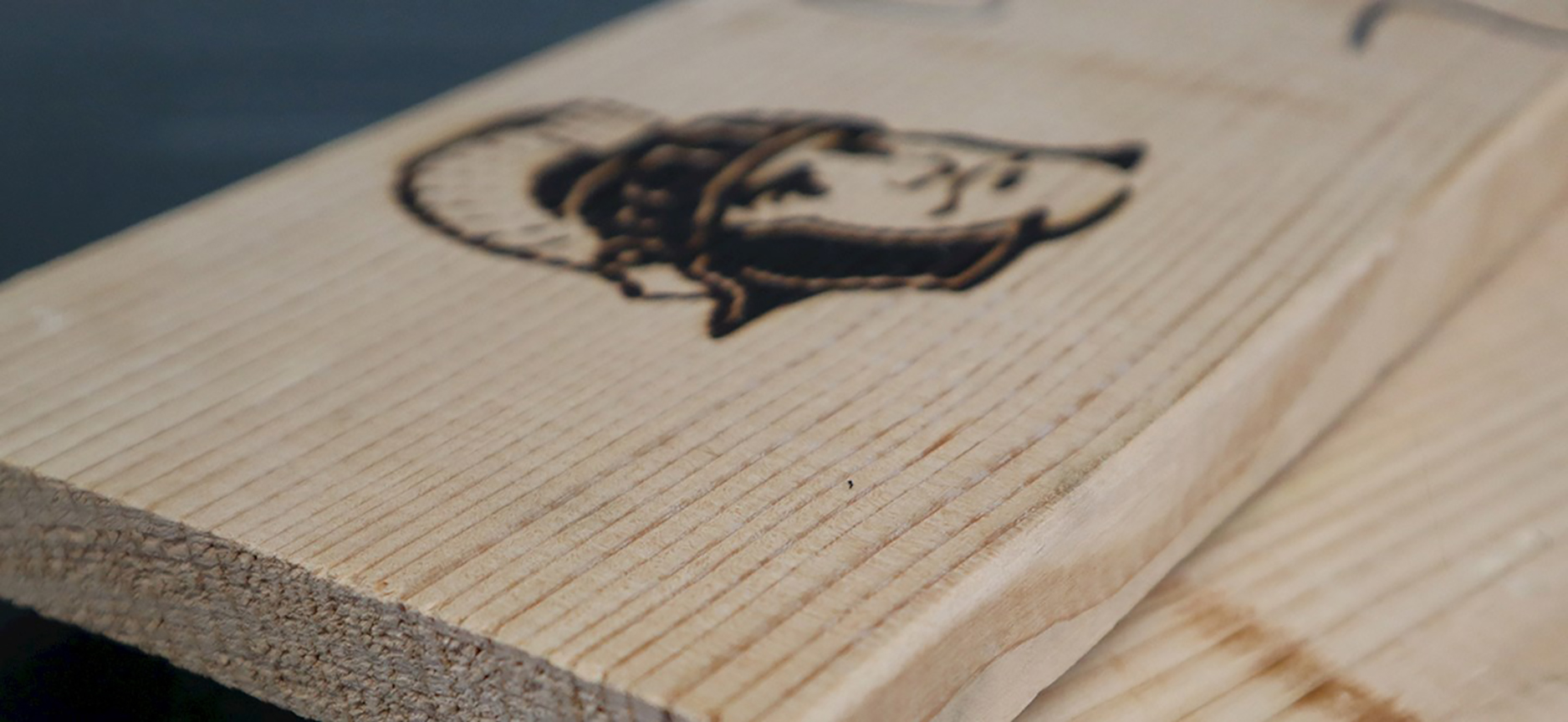
<?xml version="1.0" encoding="UTF-8"?><item href="/news/2022-09-new-living-wood-could-be-an-environmental-superhero.aspx" dsn="blogs"><homehero>true</homehero><unit>College of Natural Science,Microbiology</unit><pubDate>09/28/2022</pubDate><title>New 'living' wood could be an environmental superhero</title><description><p>MSU and Purdue University researchers are teaming up to create a new building material. It’ll be stronger than steel and have the power to heal itself while pulling greenhouse gases out of the atmosphere. The U.S. DOE’s Advanced Research Projects Agency-Energy, or ARPA-E, has awarded the research team, which includes MSU College of Natural Science microbiologist Gemma Reguera, nearly $1 million to develop “living” wood, a first-of-its-kind concept using the natural activity of microbes implanted in wood.</p></description><author>Val Osowski</author><hero-image><img src="/_assets/images/news/2022/2022-09-new-living-wood-could-be-an-environmental-superhero.banner.wood_sample_sparty_board.jpg" alt="MSU and Purdue researchers, including MSU College of Natural Science microbiologist Gemma Reguera, have teamed up to create a new type of strong, sustainable, self-healing timber infused with microbes with the support of a nearly $1 million DOE Advanced Research Projects Agency-Energy grant."/></hero-image><image><img src="/_assets/images/news/2022/preview.2022-09-new-living-wood-could-be-an-environmental-superhero.banner.wood_sample_sparty_board.jpg" alt="Sparty logo on a piece of plywood"/></image><tags><tag>CO2 capture</tag><tag>faculty</tag><tag>research</tag><tag>sustainability</tag><tag>wood materials</tag></tags></item>