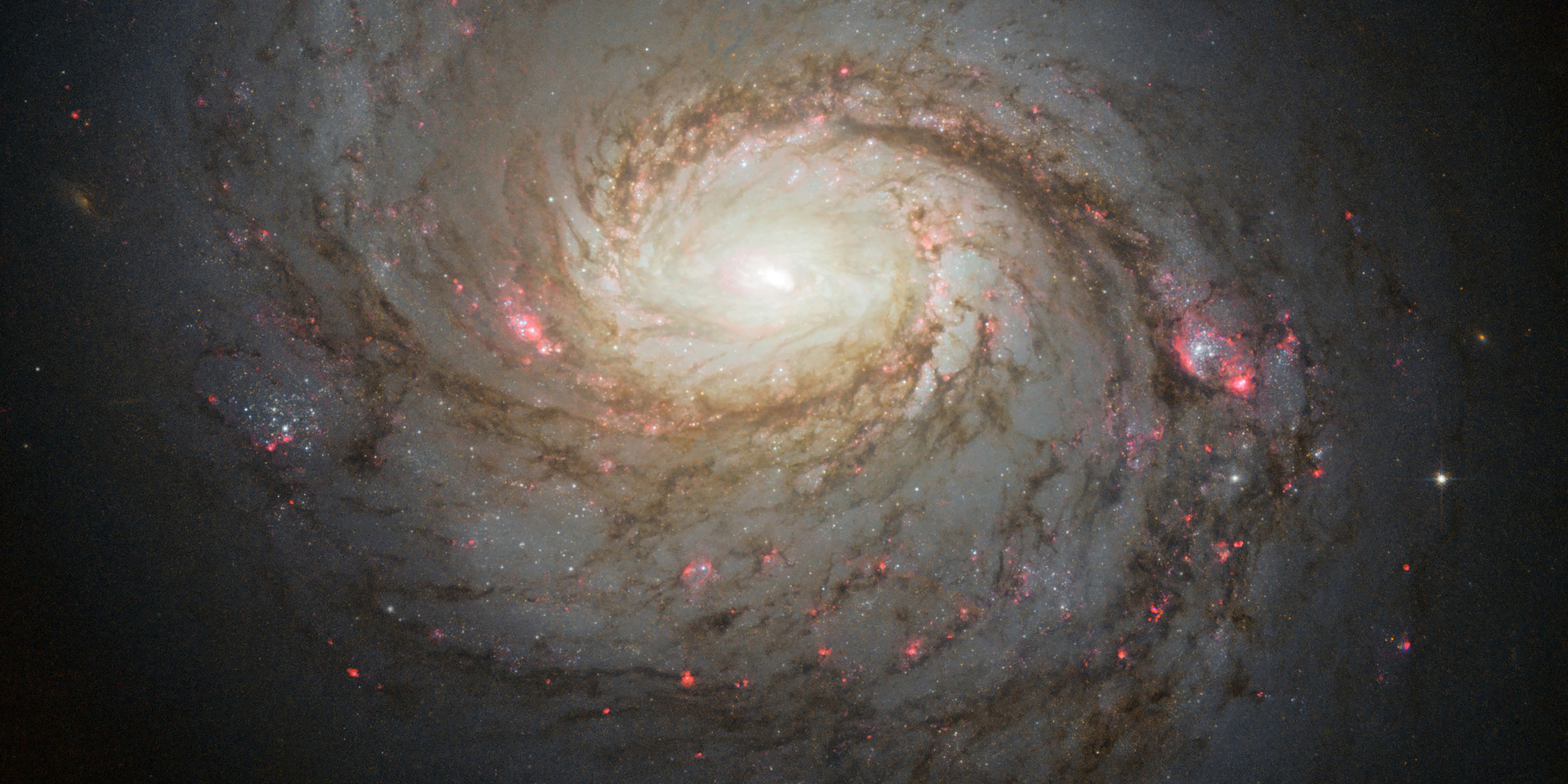
<?xml version="1.0" encoding="UTF-8"?><item href="/news/2022-11-msu-helps-make-cosmic-discovery.aspx" dsn="blogs"><homehero>true</homehero><unit>College of Natural Science,Physics &amp; Astronomy</unit><pubDate>11/03/2022</pubDate><title>MSU helps make cosmic discovery</title><description>For just the second time in human history, researchers have identified a source of high-energy neutrinos — ghostly subatomic particles produced in some of the universe’s most extreme environments. The discovery was made by an international collaboration led by Michigan State University and Technical University of Munich researchers at the IceCube Neutrino Observatory in Antarctica. The team announced its findings on Nov. 3 in an online webinar and will publish its study Nov. 4 in the journal</description><author>Val Osowski</author><hero-image><img src="/_assets/images/news/2022/2022-11-msu-helps-make-cosmic-discovery.messier%2077%20spiral%20galaxy.banner.jpg" alt="As part of the IceCube Collaboration, Michigan State researchers are using neutrinos to probe the inner depths of an active galaxy. Credit: NASA/ESA/A. van der Hoeven"/></hero-image><image><img src="/_assets/images/news/2022/preview.2022-11-msu-helps-make-cosmic-discovery.messier%2077%20spiral%20galaxy.banner.jpg" alt="As part of the IceCube Collaboration, Michigan State researchers are using neutrinos to probe the inner depths of an active galaxy. Credit: NASA/ESA/A. van der Hoeven"/></image><tags><tag>IceCube Collaboration</tag><tag>faculty</tag><tag>neutrinos</tag><tag>postdoctoral researchers</tag><tag>research</tag></tags></item>