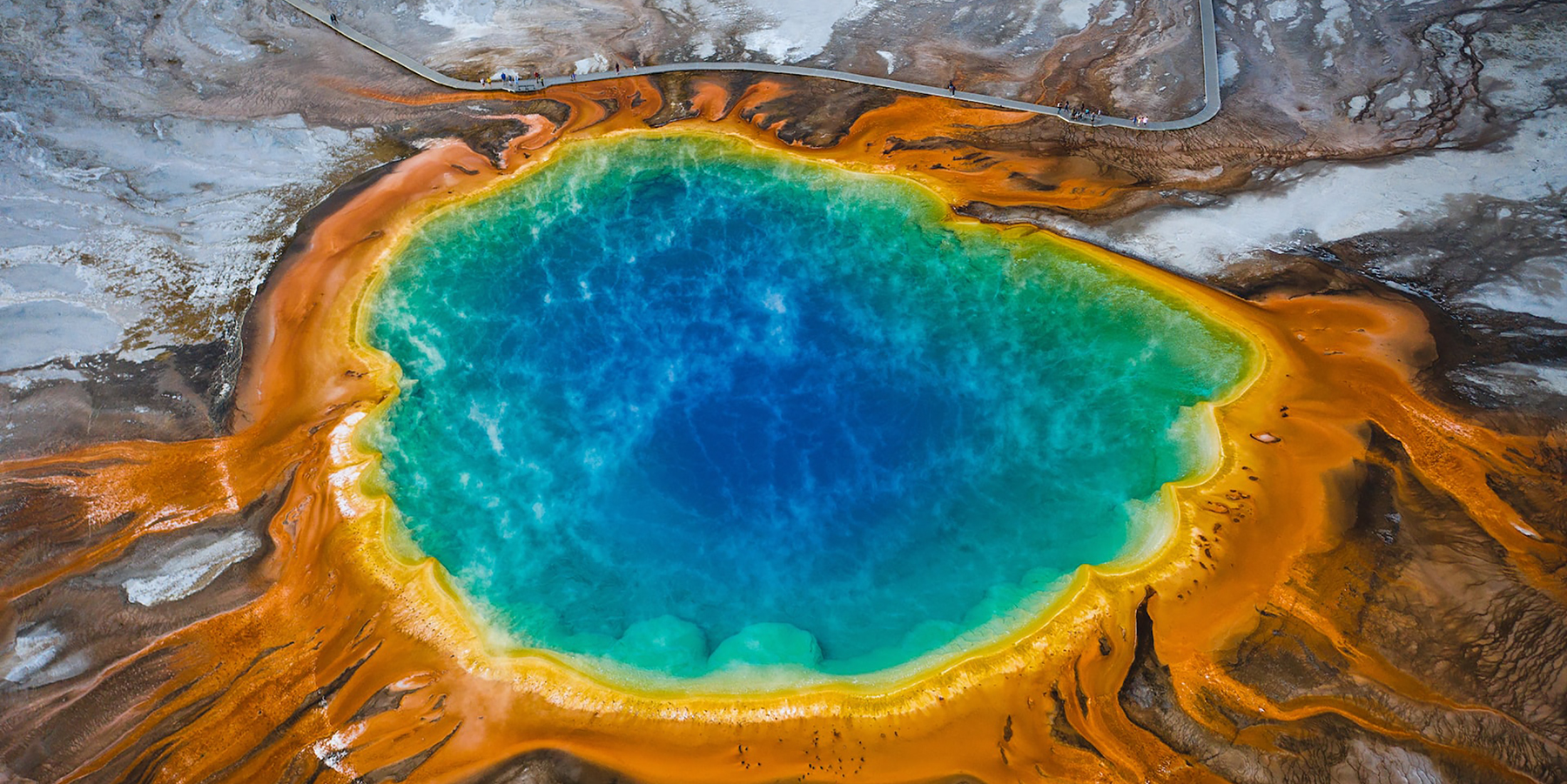
<?xml version="1.0" encoding="UTF-8"?><item href="/news/2022-12- MSU-researchers-expertise-energy-and-empathy-leave-a-legacy.aspx" dsn="blogs"><homehero>true</homehero><unit>CMSE,College of Natural Science,EES</unit><pubDate>12/01/2022</pubDate><title>MSU researcher expertise, energy and empathy leave a legacy </title><description>When Ross Maguire was a postdoctoral researcher at Michigan State University, he wanted to study the volume and distribution of molten magma underneath the Yellowstone volcano. Using a method called seismic tomography, he was able to create images showing where the magma was located, but they were not crystal clear. Using a method known as waveform tomography developed by the late MSU researcher Min Chen, Maguire et. al. were able to see that <span>twice that amount of magma exists within Yellowstone’s magmatic system. </span></description><author>Val Osowski</author><hero-image><img src="/_assets/images/news/2022/2022-12-msu-researchers-expertise-energy-and-empathy-leave-a-legacy.yellowstone%20volcano.banner.jpg" alt="The still active Yellowstone supervolcano, located in Yellowstone National Park in northwestern Wyoming, formed some 640,000 years ago. Its caldera –a large cauldron-like depression that forms when a volcano erupts and collapses–pictured here,measures 30 miles x 45 miles wide."/></hero-image><image><img src="/_assets/images/news/2022/preview2022-12-msu-researchers-expertise-energy-and-empathy-leave-a-legacy.yellowstone%20volcano.banner.jpg" alt="The still active Yellowstone supervolcano, located in Yellowstone National Park in northwestern Wyoming, formed some 640,000 years ago. Its caldera –a large cauldron-like depression that forms when a volcano erupts and collapses–pictured here, measures 30 miles x 45 miles wide."/></image><tags><tag>Min Chen</tag><tag>Yellowstone volcano</tag><tag>research</tag><tag>waveform tomography</tag></tags></item>