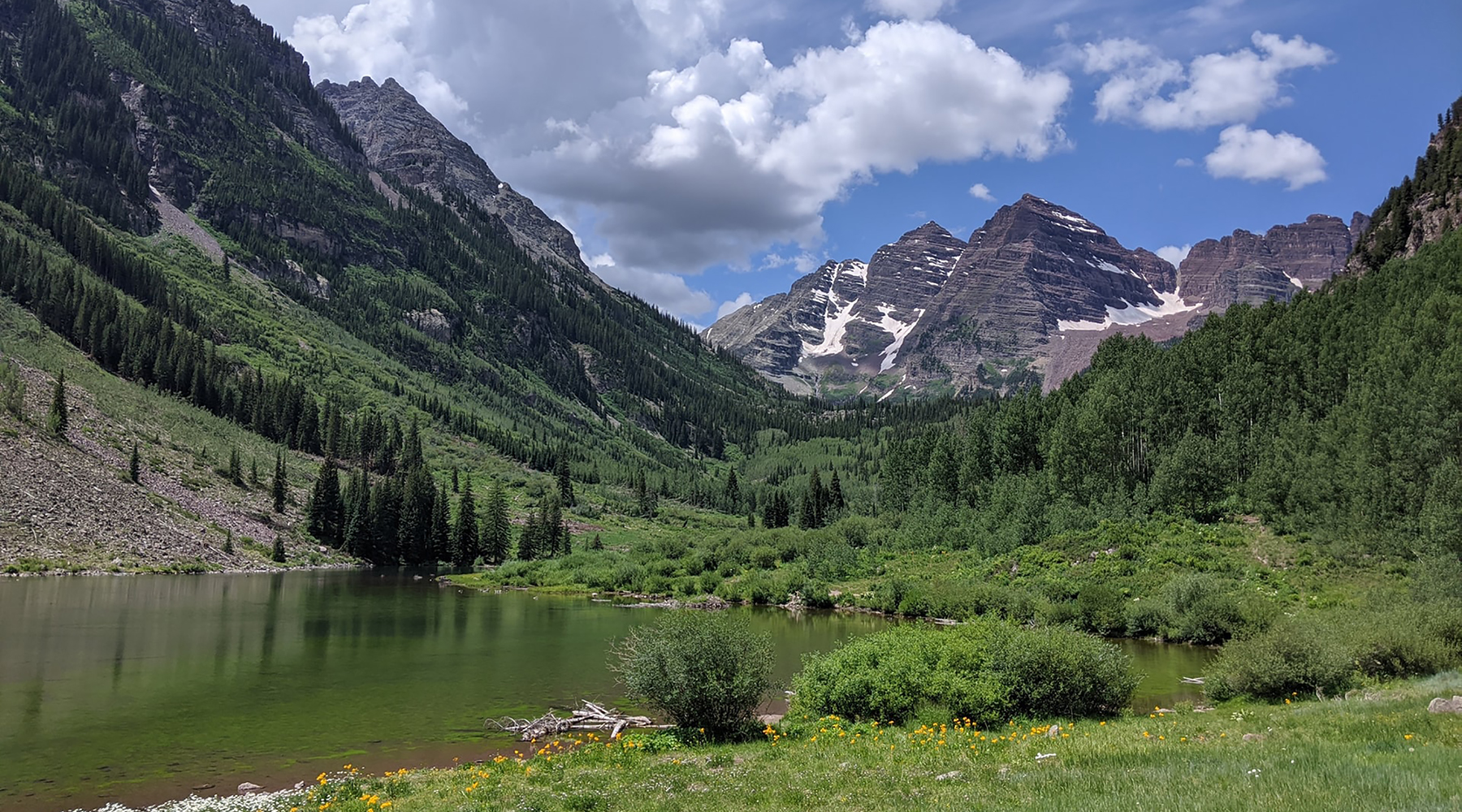
<?xml version="1.0" encoding="UTF-8"?><item href="/news/2023-01-the-us-is-committed-to-conservation-now-how-do-we-do-it.aspx" dsn="blogs"><homehero>true</homehero><unit>College of Natural Science,EEB,Integrative Biology</unit><pubDate>01/12/2023</pubDate><title>The United States is committed to conservation. Now, how do we do it?</title><description><p>When the U.S. government committed last January to conserving 30 percent of the United States’ natural land and water by the year 2030, the decision was embraced by the majority of Americans. Now, Michigan State University ecologists are part of a team that’s sharing data to help inform those choices throughout the United States and beyond. Their research identified North America’s climate change refugia, habitats that will be the most likely to support the persistence of the greatest amount of biodiversity in the face of a changing climate.</p></description><author>Val Osowski</author><hero-image><img src="/_assets/images/news/2023/2023-01-the-u.s.-is-committed-to-conservation.-now-how-do-we-do-it.banner.lyndsey%20dulfer.unsplash.jpg" alt="The western United States and mountains, such as those found in Colorado, are home to a large area of refugia for terrestrial biodiversity. "/></hero-image><image><img src="/_assets/images/news/2023/preview2023-01-the-u.s.-is-committed-to-conservation.-now-how-do-we-do-it.banner.lyndsey%20dulfer.unsplash.jpg" alt="The western United States and mountains, such as those found in Colorado, are home to a large area of refugia for terrestrial biodiversity. "/></image><tags><tag>IBIO</tag><tag>climate change</tag><tag>conservation</tag><tag>eeb</tag><tag>habitat</tag></tags></item>