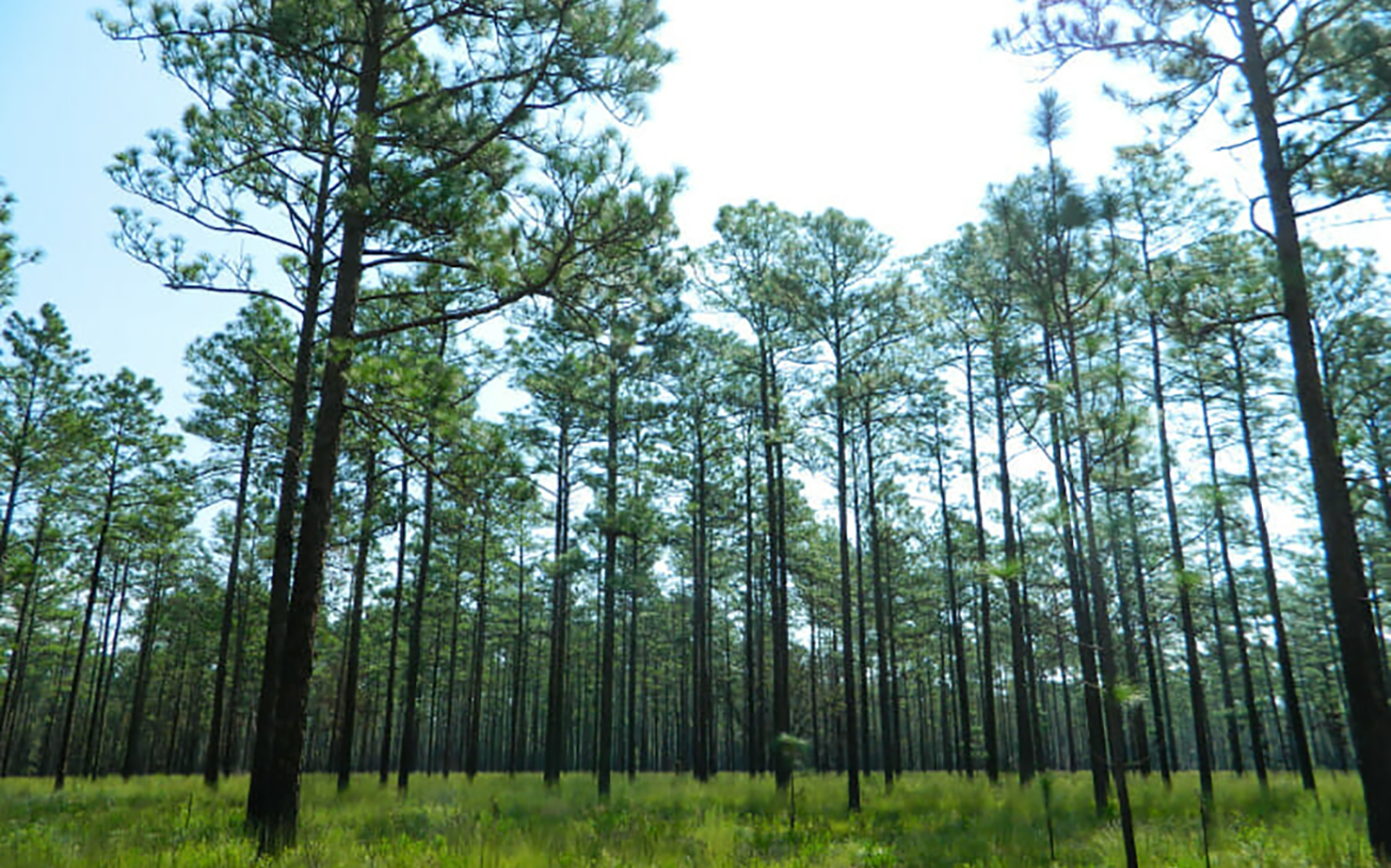
<?xml version="1.0" encoding="UTF-8"?><item href="/news/2023-02-msu-uw-madison-show-straightforward-step-can-help-restore-biodiversity-hotspot.aspx" dsn="blogs"><homehero>true</homehero><unit>College of Natural Science</unit><pubDate>02/10/2023</pubDate><title>MSU, UW-Madison show straightforward step can help restore biodiversity hotspot </title><description><p>New research from Michigan State University and the University of Wisconsin-Madison shows that, for all the complexities and challenges of ecosystem restoration, simple first steps can still go a long way. The team showed that degraded savanna ecosystems scarred by decades or centuries of human activity can reap lasting benefits from a single seeding of native understory plants. Their research was recently published in the journal <em>Proceedings in the National Academy of the Sciences.</em></p></description><author>Val Osowski</author><hero-image><img src="/_assets/images/news/2023/2023-02-msu-uw-madison-show-straightforward-step-can-help-restore-biodiversity-hotspot.banner.longleaf%20pine%20ecosystem.jpg" alt="Longleaf pine ecosystems such as the one pictured here near Fayetteville, North Carolina, once stretched from Virginia to Texas and can contain some of the most diverse plant communities in North America. However, much of the remaining longleaf pine plant communities have lost significant biodiversity, making restoration a high priority. Seeding native plants may help restore large portions of this iconic ecosystem across the southeastern U.S. "/></hero-image><image><img src="/_assets/images/news/2023/preview2022-02-msu-uw-madison-show-straightforward-step-can-help-restore-biodiversity-hotspot.banner.longleaf%20pine.jpg" alt="Longleaf pine ecosystems such as the one pictured here near Fayetteville, North Carolina, once stretched from Virginia to Texas and can contain some of the most diverse plant communities in North America."/></image><tags><tag>climate change</tag><tag>ecosystem restoration</tag><tag>native understory plants</tag><tag>plant biology</tag></tags></item>