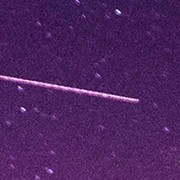
<?xml version="1.0" encoding="UTF-8"?><item href="/news/2023-04-ask-the-expert-what-is-the-lyrid-meteor-shower.aspx" dsn="blogs"><homehero/><unit>College of Natural Science,Physics &amp; Astronomy</unit><pubDate>04/13/2023</pubDate><title>Ask the expert: What is the Lyrid meteor shower?</title><description><p>Shannon Schmoll, science education and astronomy expert and director of the Abrams Planetarium at MSU, offers insight to the upcoming Lyrid meteor shower expected between April 16 and 25 in this Ask the Expert column.</p></description><author>Kaylie Crowe </author><hero-image><img src="/_assets/images/news/2023/2023-04-ask-the-expert-what-is-the-lyrid-meteor-shower.lyrid%20shower.vincentiu-solomon-unsplash.jpg" alt="The Lyrid meteor shower is an annual meteor shower that is a result of debris that crosses our orbit from the long-period comet known as Comet Thatcher. It was last seen in our inner solar system in 1861, but the debris it left behind continues to cross our orbit. The Lyrids tend to occur each year in late April. Credit: vincentiu-solomon-ln5drpv_imi-unsplash "/></hero-image><image><img src="/_assets/images/news/2023/2023-04-preview-image-ask-the-expert-what-is-the-lyrid-meteor-shower.lyrid%20shower.vincentiu-solomon-unsplash.hero.jpg" alt="The Lyrid meteor shower is an annual meteor shower that is a result of debris that crosses our orbit from the long-period comet known as Comet Thatcher. It was last seen in our inner solar system in 1861, but the debris it left behind continues to cross our orbit. The Lyrids tend to occur each year in late April. Credit: vincentiu-solomon-ln5drpv_imi-unsplash "/></image><tags><tag>Abrams Planetarium</tag><tag>Ask the expert</tag><tag>astronomy</tag><tag>meteor</tag></tags></item>