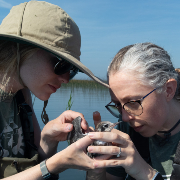
<?xml version="1.0" encoding="UTF-8"?><item href="/news/2023-05-msu-and-audubon-team-up-to-protect-the-black-tern.aspx" dsn="blogs"><homehero>true</homehero><unit>EEB,Integrative Biology</unit><pubDate>05/17/2023</pubDate><title>MSU and Audubon team up to protect the black tern</title><description><p>Current conservation practices likely won’t do enough to save the black tern, a migratory bird species that nests in the northern U.S. and southern Canada, from disappearing.</p>
<p>That’s according to new research from MSU and the National Audubon Society published in the journal <em>Biological Conservation</em>. But there’s also good news. The team’s report reveals new opportunities to enhance the outlook for these birds by strategically expanding conservation and land management practices. The approach can also be adapted to inform conservation practices for other species.</p></description><author/><hero-image><img src="https://natsci.msu.edu/_assets/images/news/2023/2023-05-msu-and-audubon-team-up-to-protect-the-black-tern.banner.black%20tern.banner.jpg" alt="Michigan State University and the National Audubon Society have teamed up to help protect the migratory black tern. An adult tern is seen here in a wetland habitat, where the birds nest.   Credit: David Fuller/Audubon "/></hero-image><image><img src="/_assets/images/news/2023/2023-05-msu-and-audubon-team-up-to-protect-the-black-tern.tagging%20tern.thumbnail.jpg" alt="Two members of Audubon Great Lakes hold a black tern chick in a watery marsh in St. Clair Flats State Wildlife Area. They’re placing a tag on the bird that will help provide useful conservation data. "/></image><tags><tag>IBIO</tag><tag>collaboration</tag><tag>computational models</tag><tag>conservation biology</tag><tag>eeb</tag></tags></item>