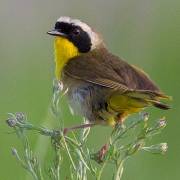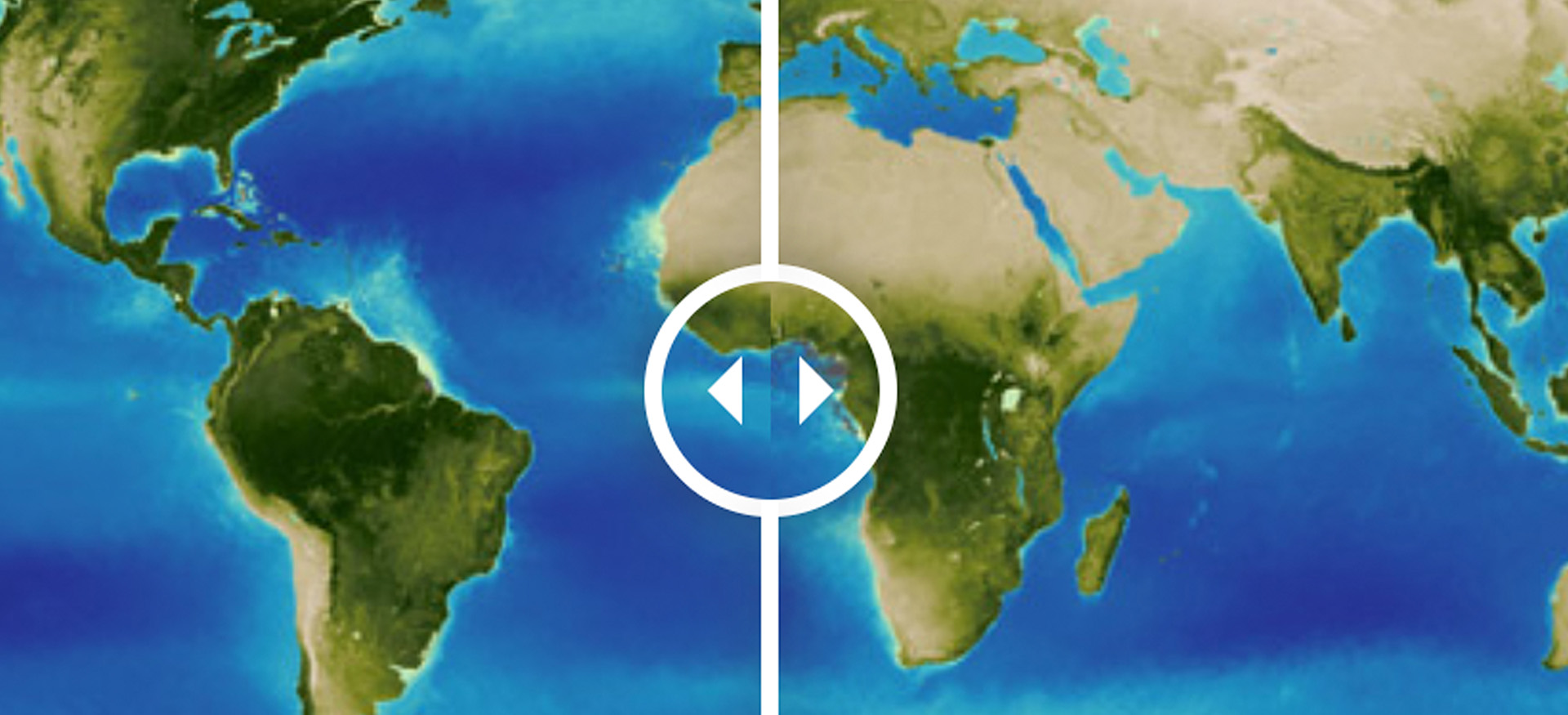
<?xml version="1.0" encoding="UTF-8"?><item href="/news/2023-07-for-birds-earlier-springtime-means-fewer-young.aspx" dsn="blogs"><homehero>true</homehero><unit>College of Natural Science,EEB,Integrative Biology</unit><pubDate>07/24/2023</pubDate><title>For birds, earlier springtime means fewer young</title><description><p>Rising global temperatures are making it harder for birds to know when it’s spring and time to breed according to a new study published in <em>Proceedings of the National Academy of Sciences</em>. A large collaboration led by Michigan State University integrative biologist Casey Youngflesh in partnership with the University of California, Los Angeles, has found that birds produce fewer young if they start breeding too early or late in the season. With climate change resulting in earlier springlike weather, the researchers report, birds have been unable to keep pace.</p></description><highlights><ul>
<li><span>A  collaboration led by Michigan State University integrative biologist </span><a tabindex="-1" href="https://directory.natsci.msu.edu/directory/Profiles/Person/103021">Casey Youngflesh</a><span> has found that birds produce fewer young if they start breeding too early or late in the season.</span></li>
<li><span>The mismatch between the start of spring and birds’ readiness to reproduce is likely to become worse as the world warms.</span></li>
<li><span>Using climate models and projections, Youngflesh predicts that birds will produce significantly fewer young by the end of the century.</span></li>
</ul></highlights><author>Mollie Newman</author><hero-image><img src="/_assets/images/news/2023/2023-07-for-birds-earlier-springtime-means-fewer-young.banner.satellite%20image.jpg" alt="Over the past 50 years, satellites orbiting Earth have unveiled a remarkably dynamic planet. This image shows how plant growth on land fluctuates with the seasons (June and December)."/></hero-image><image><img src="/_assets/images/news/2023/preview2023-07-for-birds-earlier-springtime-means-fewer-young.yellowthroat.jpg" alt="In response to warming temperatures, spring is now arriving substantially earlier than it did several decades ago. While North American songbirds are shifting when they migrate and breed, they are failing to keep pace with the rate of climate change, resulting in fewer young being produced."/></image><tags><tag>IBIO</tag><tag>bird populations</tag><tag>breeding impacts</tag><tag>climate change</tag><tag>postdoctoral researchers</tag></tags></item>