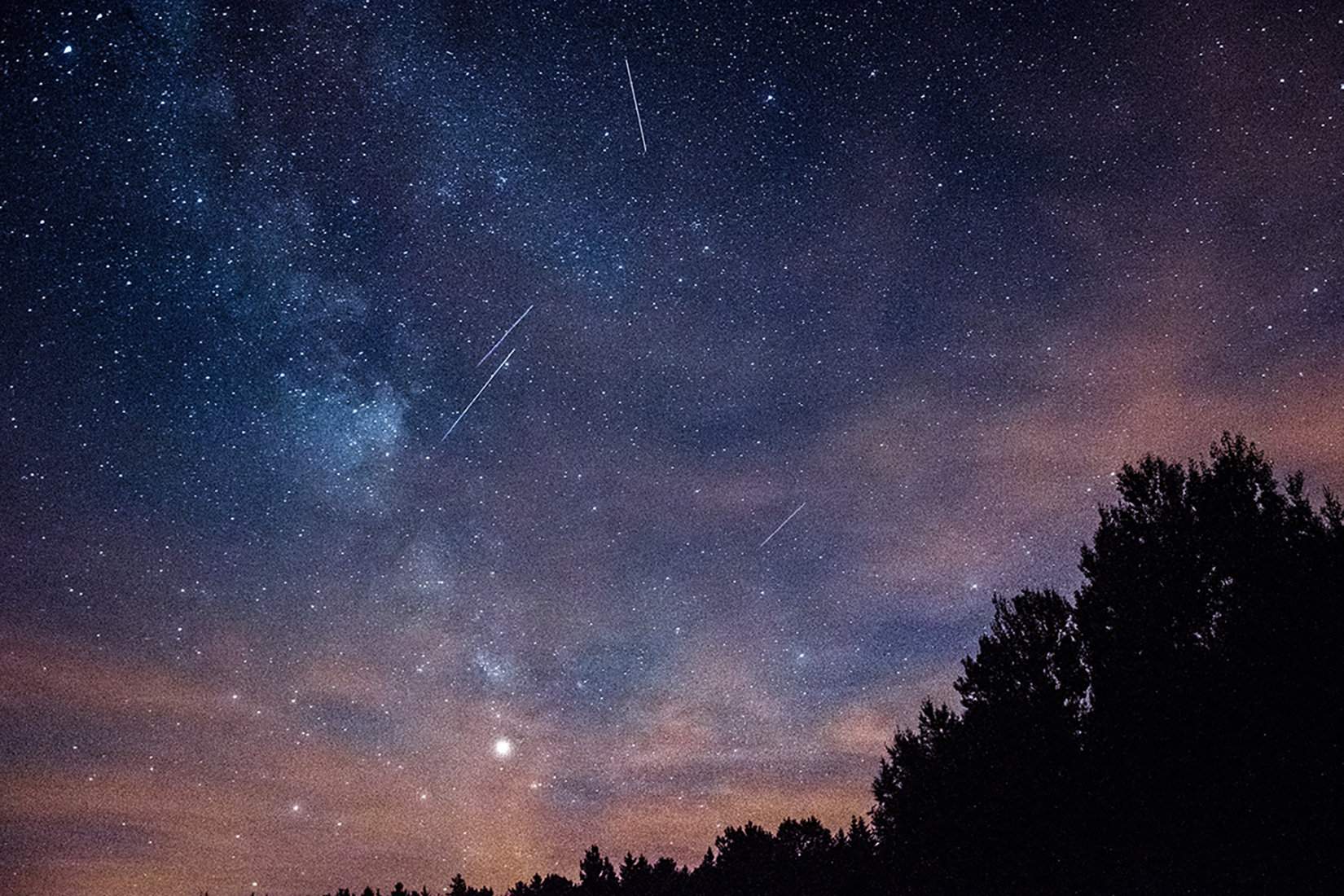
<?xml version="1.0" encoding="UTF-8"?><item href="/news/2023-08-ask-the-expert-dont-miss-the-perseid-meteor-shower-this-weekend.aspx" dsn="blogs"><homehero>true</homehero><unit>College of Natural Science,Physics &amp; Astronomy</unit><pubDate>08/10/2023</pubDate><title>Ask the expert: Don't miss the Perseid meteor shower this weekend  </title><description><p style="margin: 0in;"><span style="font-family: 'Arial',sans-serif;">Shannon Schmoll</span><span style="font-family: 'Arial',sans-serif;">, director of the Abrams Planetarium and a professor in the Department of Physics and Astronomy in the </span><span style="font-family: 'Arial',sans-serif;">College of Natural Science</span><span style="font-family: 'Arial',sans-serif;"> at Michigan State University, explains why the upcoming Perseid meteor shower is a great opportunity to see an object from space closer than usual — at a safe distance and with your naked eye. </span></p></description><highlights><ul>
<li><span>The Perseid meteor shower is an annual event occurring Aug. 12 to 13 this year.</span></li>
<li><span>You don’t need a telescope to see it.</span></li>
<li><span>You will likely see one meteor every couple of minutes or so if you can get to dark skies away from city lights.</span></li>
<li><span>The meteors will appear to radiate from a point in the northern sky from the constellation Perseus — hence the name. </span></li>
</ul></highlights><author>Emmilie Lorditch</author><hero-image><img src="/_assets/images/news/2023/2023-08-ask-the-expert-dont-miss-the-perseid-meteor-shower-this-weekend.banner.perseid.jpg" alt="The Perseids are a prolific meteor shower associated with the comet Swift–Tuttle. The meteors are called the Perseids because they appear from the general direction of the constellation Perseus and in more modern times have a radiant bordering on Cassiopeia and Camelopardalis. "/></hero-image><image><img src="/_assets/images/news/2023/preview2023-08-ask-the-expert-dont-miss-the-perseid-meteor-shower-this-weekend.banner.perseid.jpg" alt="The Perseids are a prolific meteor shower associated with the comet Swift–Tuttle. The meteors are called the Perseids because they appear from the general direction of the constellation Perseus and in more modern times have a radiant bordering on Cassiopeia and Camelopardalis. "/></image><tags><tag>Ask the expert</tag><tag>Perseid meteor shower</tag><tag>astronomy</tag></tags></item>