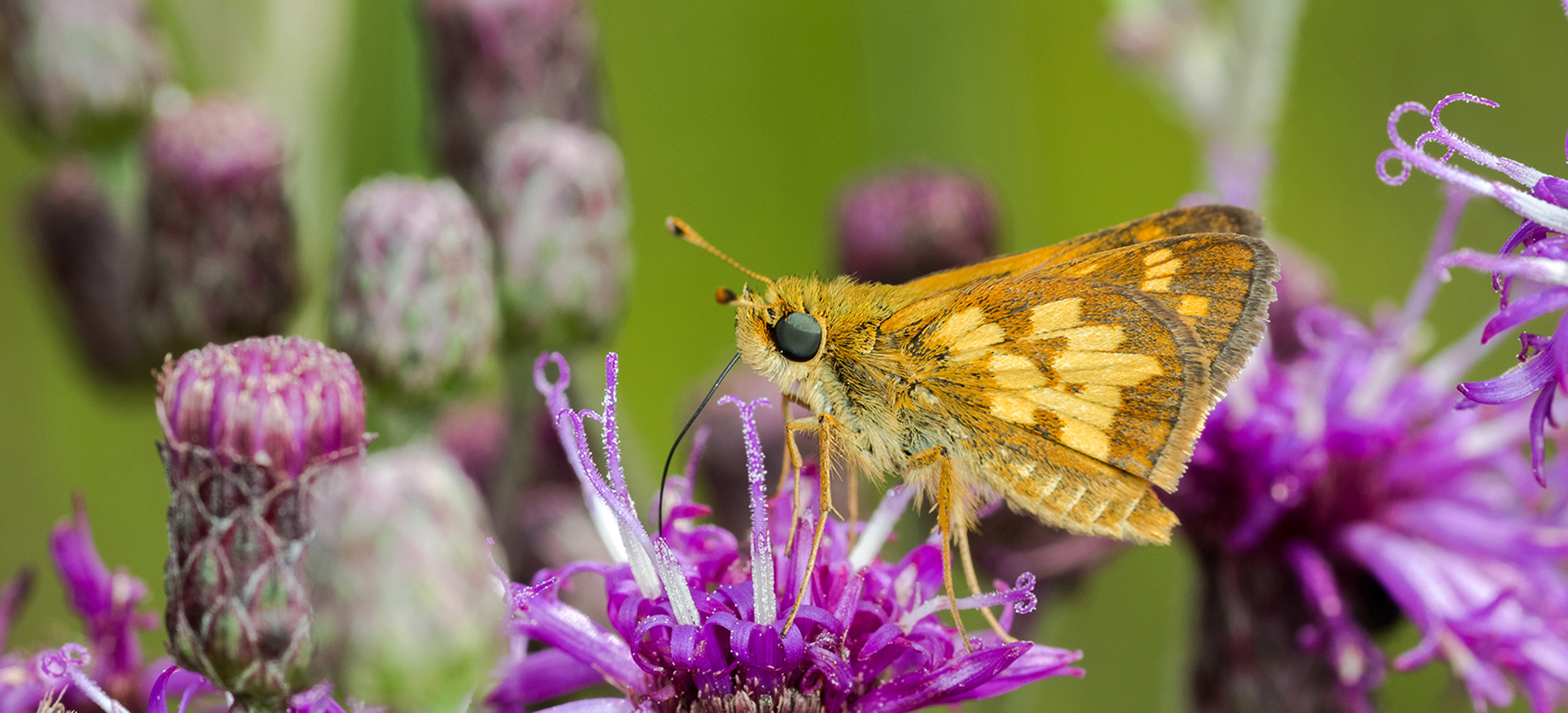
<?xml version="1.0" encoding="UTF-8"?><item href="/news/2023-10-msu-unveils-tools-techniques-that-can-inform-conservation-efforts-for-data-poor-species.aspx" dsn="blogs"><homehero>true</homehero><unit>College of Natural Science,EEB,Integrative Biology</unit><pubDate>10/26/2023</pubDate><title>MSU unveils tools, techniques that can inform conservation efforts for data-poor species</title><description><p>Integrative biologist Elise Zipkin and her team at Michigan State University have developed a framework that can help scientists understand trends in biodiversity by using data from well-characterized species to provide insights on data-deficient species. They’re using information from well-quantified animals to reveal insights about less common, harder-to-observe species. Now, they’re sharing their methods with the wider research and conservation community in the Journal of Animal Ecology.</p></description><highlights><ul>
<li><strong>Integrative biologist <a tabindex="-1" href="https://directory.natsci.msu.edu/Directory/Profiles/Person/101331?org=4&amp;group=61">Elise Zipkin</a> and her team at Michigan State University have developed a sort of “Robin Hood” approach to better understand and protect the world’s biodiversity.</strong></li>
<li><strong>Integrated community models can be used to estimate species’ trends and demographic rates over space and time, even for rarer species.</strong></li>
<li><strong>The new report can be used as how-to guide for those who want to use the team’s methods to draw insights from a variety of different data sources describing multiple species.</strong></li>
<li><strong>The next step will be working with partners in government and nongovernmental organizations who can use information from the models as they develop conservation strategies.</strong></li>
</ul></highlights><author>Matt Davenport</author><hero-image><img src="/_assets/images/news/2023/2023-10-msu-unveils-tools-%20techniques-that-can-inform-conservation-efforts-for-data-poor-species.banner.pecks%20skipper.jpg" alt="One of the strengths of a new biodiversity modeling framework developed by Michigan State University researchers is its ability to combine data frame various sources. The researchers demonstrated this strength using a case study involving 10 Midwestern butterfly species, including the Peck’s skipper, or Polites peckius. "/></hero-image><image><img src="/_assets/images/news/2023/preview2023-10-msu-unveils-tools-techniques-that-can-inform-conservation-efforts-for-data-poor-species.banner.pecks-skipper.jpg" alt="One of the strengths of a new biodiversity modeling framework developed by Michigan State University researchers is its ability to combine data frame various sources. The researchers demonstrated this strength using a case study involving 10 Midwestern butterfly species, including the Peck’s skipper, or Polites peckius. "/></image><tags><tag>Integrative Biology</tag><tag>biodiversity modeling</tag><tag>conservation</tag><tag>data gaps</tag><tag>eeb</tag><tag>quantitative ecology</tag></tags></item>