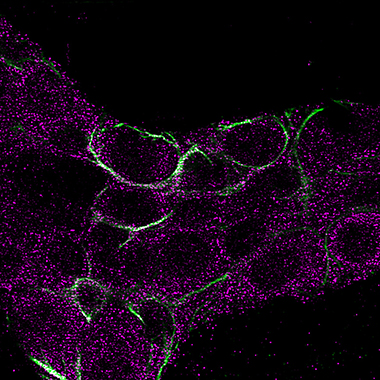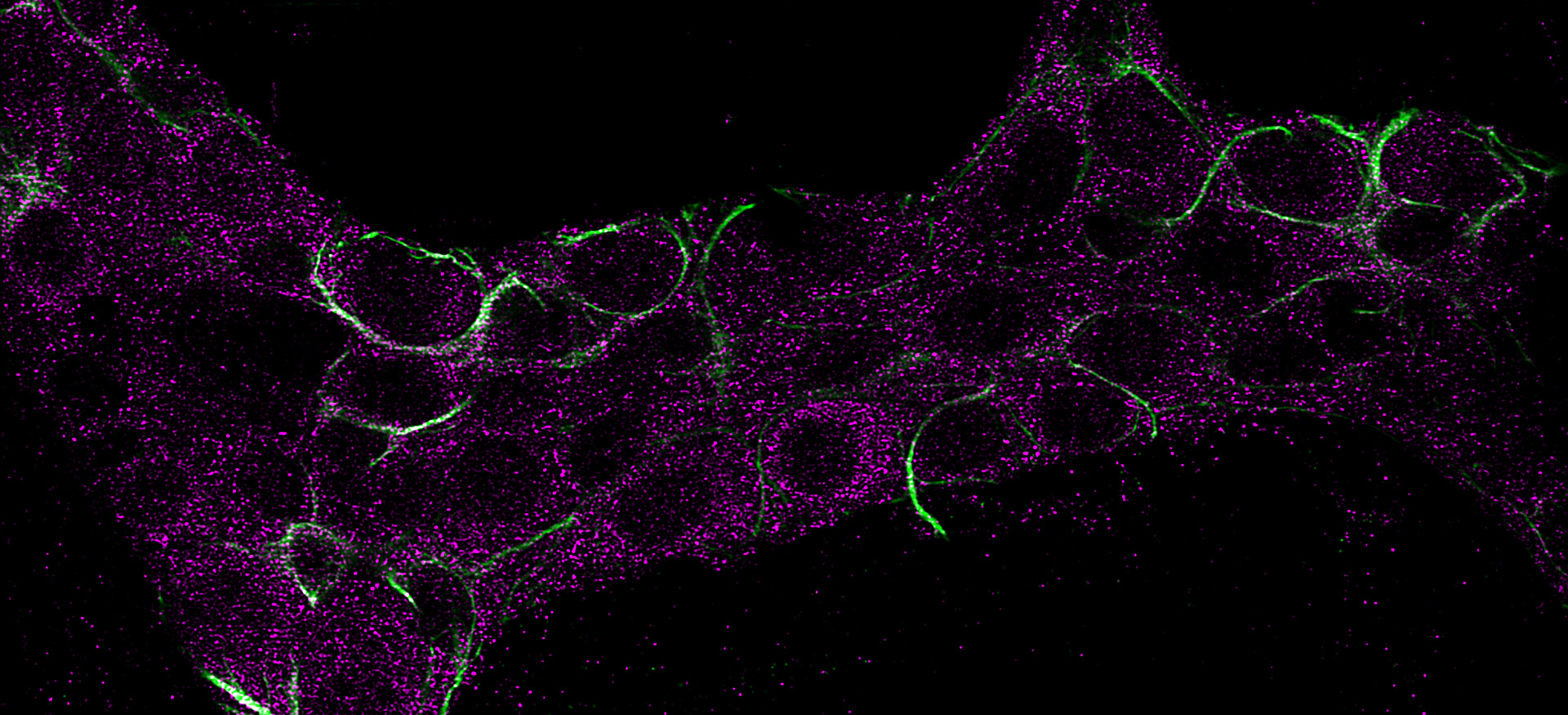
<?xml version="1.0" encoding="UTF-8"?><item href="/news/2023-11-getting-to-the-root-of-visceral-pain.aspx" dsn="blogs"><homehero>true</homehero><unit>Physiology</unit><pubDate>11/27/2023</pubDate><title>Getting to the root of visceral pain</title><description><p>Researchers led by Brian Gulbransen at Michigan State University have uncovered a reason that may explain why visceral pain is so common in conditions like irritable bowel syndrome. This understanding could inspire new and better ways to alleviate that pain.</p></description><highlights><ul>
<li>Researchers at Michigan State University have shown that cells known as glia could lower the threshold to trigger visceral pain in patients, such as those with irritable bowel syndrome, who have experienced inflammation in the gut.</li>
<li>The team discovered this phenomenon in mice, meaning the results may not completely extrapolate to humans.</li>
<li>Still, the work provides a new avenue of exploration to better treat visceral pain, which is the most common gastrointestinal issue.</li>
</ul></highlights><author>Matt Davenport</author><hero-image><img src="/_assets/images/news/2023/2023-11-getting-to-the-root-of-visceral-pain-banner.jpg" alt="Glial cells are visible in looping green traces against a black background. Purple loops coincide with some of the loops, showing where a nerve-sensitizing compound is being released."/></hero-image><image><img src="/_assets/images/news/2023/preview-380-2023-11-getting-to-the-root-of-visceral-pain.jpg" alt="Glial cells are visible in looping green traces against a black background. Purple loops coincide with some of the loops, showing where a nerve-sensitizing compound is being released."/></image><tags><tag>enteric nervous system</tag><tag>glia</tag><tag>pain</tag><tag>physiology</tag></tags></item>