<?xml version="1.0" encoding="UTF-8"?><item href="/news/2024-03-wild-plants-face-viral-surprise.aspx" dsn="blogs"><homehero/><categories/><broadcast>eeb,plantbiology</broadcast><pubDate>03/28/2024</pubDate><title>Wild plants face viral surprise</title><description><span style="font-weight: 400;">Researchers from MSU and UC Riverside have shown that viral diseases from farmland have spread to native habitats.</span></description><highlights><br/>
<ul>
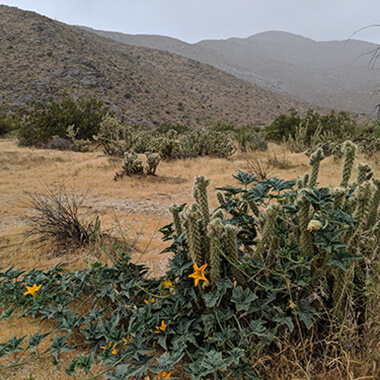
<li style="font-weight: 400;" aria-level="1"><span style="font-weight: 400;">Viruses from agriculture are infecting wild, native plants in neighboring habitats, according to new research from Michigan State University and the University of California, Riverside.</span></li>
</ul>
<br/>
<ul>
<li style="font-weight: 400;" aria-level="1"><span style="font-weight: 400;">This discovery, published in Phytobiomes Journal, holds significant implications for conservation efforts, the researchers said.</span><span style="font-weight: 400;"/></li>
</ul>
<br/>
<ul>
<li style="font-weight: 400;" aria-level="1"><span style="font-weight: 400;">“These wild plants are crucial components of desert ecosystems, providing food and habitat for other species. Their decline from crop virus infections could have cascading effects on entire ecological communities,” said Carolyn Malmstrom, one of the study’s leaders.</span></li>
</ul></highlights><author>Samantha Brichta</author><hero-image><img src="" alt=""/></hero-image><image><img src="https://natsci.msu.edu/_assets/images/news/2024/2024-03-viral-surprise-wild_squash_anza-borrego-preview.jpg" alt="The deep green vines with bright yellow flowers and cactus-like protrusions stand out against the rock and earthy-hued hills of the Anza-Borrego Desert State Park in California. "/></image></item>