Discovery Science,Health Science and Innovationbmb,chemistry,mps,prl08/07/2024How fungi elude antifungal treatments
Researchers have found how fungi rebuild, reinforce their cell walls after exposure to antifungals, opening opportunities to improve current therapies
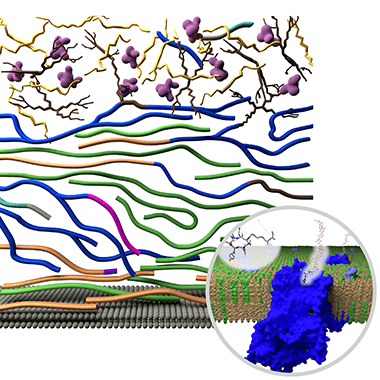
Research led by Tuo Wang of Michigan State University has shown how fungi reinforce the cell wall after exposure to antifungal drugs.
Fungal infections, which affect more than 2 million people around the world every year, are difficult to treat because fungi develop resistance to the four families of drugs available on the market.
The results of Wang and his team, published in the journal Nature Communications, could help researchers develop new treatments to address fungal infections in humans.