100 Years of Impact: The Biomedical Laboratory Diagnostics Program
This fall, the Biomedical Laboratory Diagnostics Program at Michigan State University celebrates 100 years of preparing Spartans to make a difference. Over the past century, students, faculty, staff, and alumni have built a legacy that extends well beyond the laboratory.
A New Profession Takes Shape
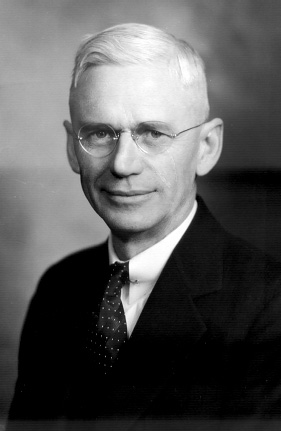
"The training of laboratory workers is a subject which has of late attracted a great deal of attention and comment. At the present time, there are few if any definite courses of study of this type offered by the higher public institutions of learning," Giltner said in 1920s program materials.
Giltner saw an opportunity to prepare students for a profession that was still taking shape. His vision became reality with the creation of the Medical Biology curriculum in 1926. As the first Bachelor of Science curriculum in medical biology in the United States, it helped establish a new educational pathway for laboratory workers.
From the beginning, hands-on learning was central to the student experience. Long before internships became commonplace, students worked directly in professional laboratory settings. By their senior year, they spent part of each day in the laboratories at the Michigan State Board of Health or local hospitals and sanatoria before returning to campus for classes.
Learning through experience became a defining characteristic of the curriculum. Combining classroom instruction with practical application helped students develop the technical expertise and critical-thinking skills needed to succeed in the laboratory. Hands-on learning remains central to BLD education, giving students opportunities to connect classroom concepts with real-world practice.
Evolving with the Profession
The program's emphasis on practical, relevant education became especially important as laboratory science grew more sophisticated. Advances in healthcare brought new technologies, procedures and responsibilities, transforming laboratory work from an emerging specialty into an increasingly essential part of patient care. The program responded by changing alongside the profession.
In 1944, the Medical Biology curriculum was renamed Medical Technology. The new name reflected a profession that had grown beyond the study of biology alone and increasingly relied on laboratory procedures and diagnostic testing to support patient care. Rising enrollment and demand for trained laboratory professionals prompted further development of the curriculum.
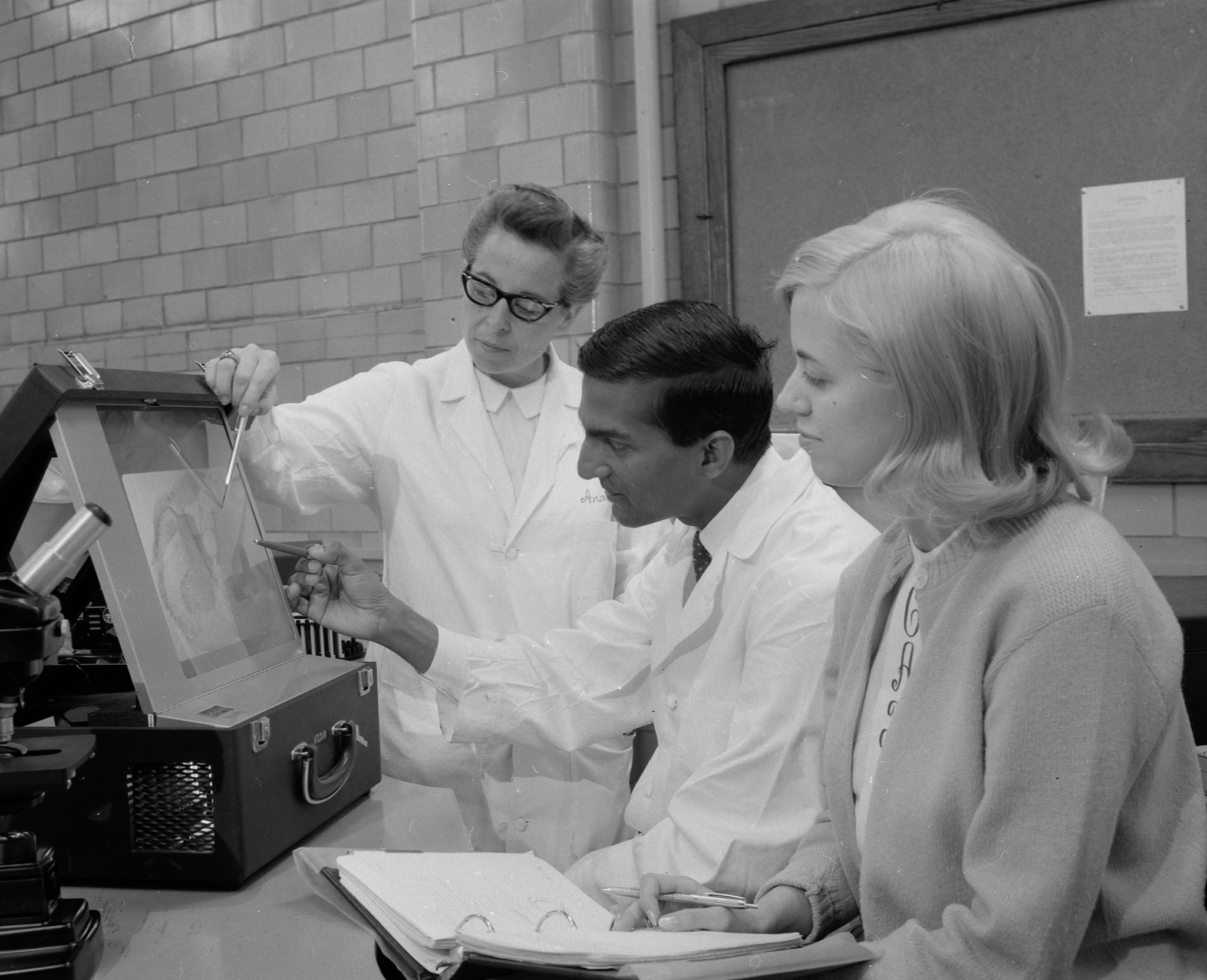
Sixteen years later, the Medical Technology Curriculum became the School of Medical Technology under the leadership of Esther Smith. A graduate of the program herself, Smith returned to Michigan State as its first director, helping guide the next generation of students as laboratory science assumed an increasingly important role in healthcare.
In 1982, the School of Medical Technology became the Medical Technology Program and moved to the College of Natural Science, where the program remains. More than four decades later, that connection continues to shape the program's place within the college and its broader impact.
“BLD has been an important part of the College of Natural Science for more than four decades, and it is a powerful example of how science can directly improve people’s lives,” said Eric L. Hegg, dean of the College of Natural Science. “The program has continually evolved to meet the needs of students and the healthcare profession while never losing sight of what has defined it from the beginning: rigorous science, hands-on learning, and preparing Spartans to make a difference.”
Shortly thereafter, the Clinical Laboratory Science, or CLS, program was established in 1985 and received national accreditation from the National Accrediting Agency for Clinical Laboratory Science, or NAACLS. This accreditation strengthened the program’s connection with affiliated clinical sites, providing students with opportunities to gain real-world experience working in clinical laboratory settings while preparing for the evolving needs of the profession.
New opportunities for students and working professionals followed, including graduate certificates, online learning and specialized areas of study. By the 2000s, those broader educational pathways were reflected in the program's name. In 2008, the Medical Technology Program became the Biomedical Laboratory Diagnostics Program, recognizing both the changing nature of the profession and the increasingly diverse educational and career pathways available to its graduates. More than a decade later, the CLS program was renamed Medical Laboratory Science, or MLS, aligning with terminology used throughout the profession.
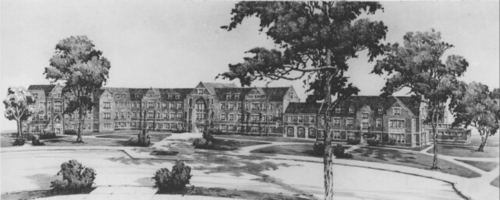
The program's physical presence on campus also changed over the decades. Students studied and trained in several locations, including Giltner Hall, McDonel Hall and North Kedzie Hall.
A Legacy of Spartan Impact
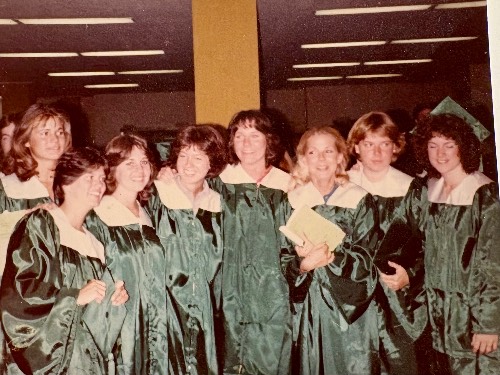
For some alumni, the knowledge and skills they developed at BLD became the foundation for long careers in laboratory medicine. Reflecting on her career journey, Cindy Raven (BS ’72), MT(ASCP), CHS(ACHI), credited the program with preparing her for a wide range of professional opportunities.
“The BLD Program at MSU gave me a strong scientific foundation and technical skills that prepared me for a variety of roles throughout my career,” Raven said. “Throughout that journey, the program's faculty and staff have remained a valuable resource, always willing to offer assistance and share their expertise when needed.”
The program’s influence can also be seen in the graduates who pursued careers beyond the laboratory. Meredith Herman (BS ’17), D.O., discovered during her undergraduate years that she wanted to pursue medicine, but she carried the lessons she learned in BLD with her into medical school, residency and her career in pathology.
“BLD taught me how to think critically about laboratory results and the role they play in patient care,” Herman said. “That foundation has continued to shape the way I approach medicine today.”
Their experiences illustrate what a century of BLD education can make possible. Graduates carry that foundation into careers that reach far beyond the traditional laboratory, using what they learned at MSU to improve lives and shape the future of healthcare.
Looking Ahead
The centennial honors the faculty, staff, students, alumni, and supporters who helped shape BLD's first century. For BLD Program Director John Gerlach, the milestone is not only a celebration of the past, but also a reminder of the opportunities that lie ahead.
“The first century of BLD was defined by innovation, growth and student success,” Gerlach said. “I look forward to seeing how future generations of Spartans build on that legacy and continue advancing the profession in new and exciting ways while improving patient outcomes.”
What began with Ward Giltner's vision in 1926 has grown into a legacy carried forward by generations of Spartans. Their work improves lives, strengthens communities and helps shape the future of healthcare and laboratory science. As BLD begins its second century, the next chapter of that impact is theirs to write.