New NIH grant supports work toward universal flu, HIV vaccines
A better understanding of how viruses fuse with cells could mean improved protection from dangerous diseases and seasonal illness
When you get your yearly flu shot, you’re helping your body stay one step ahead of the rapidly mutating influenza virus. But what if there was a way to achieve stronger, multi-year protection from a single jab?
With the support of a new grant from the National Institutes of Health, or NIH, MSU researchers are looking to better understand a viral mechanism shared between influenza and HIV with the aim of disrupting infection. This research could help develop effective vaccines for both diseases, as well as new antivirals.
Led by the Department of Chemistry's Professor David Weliky, the ongoing project targets a crucial process known as viral fusion, which occurs when the membranes of a virus and a host cell join together, allowing that virus’ genetic cargo to slip inside and begin replicating.
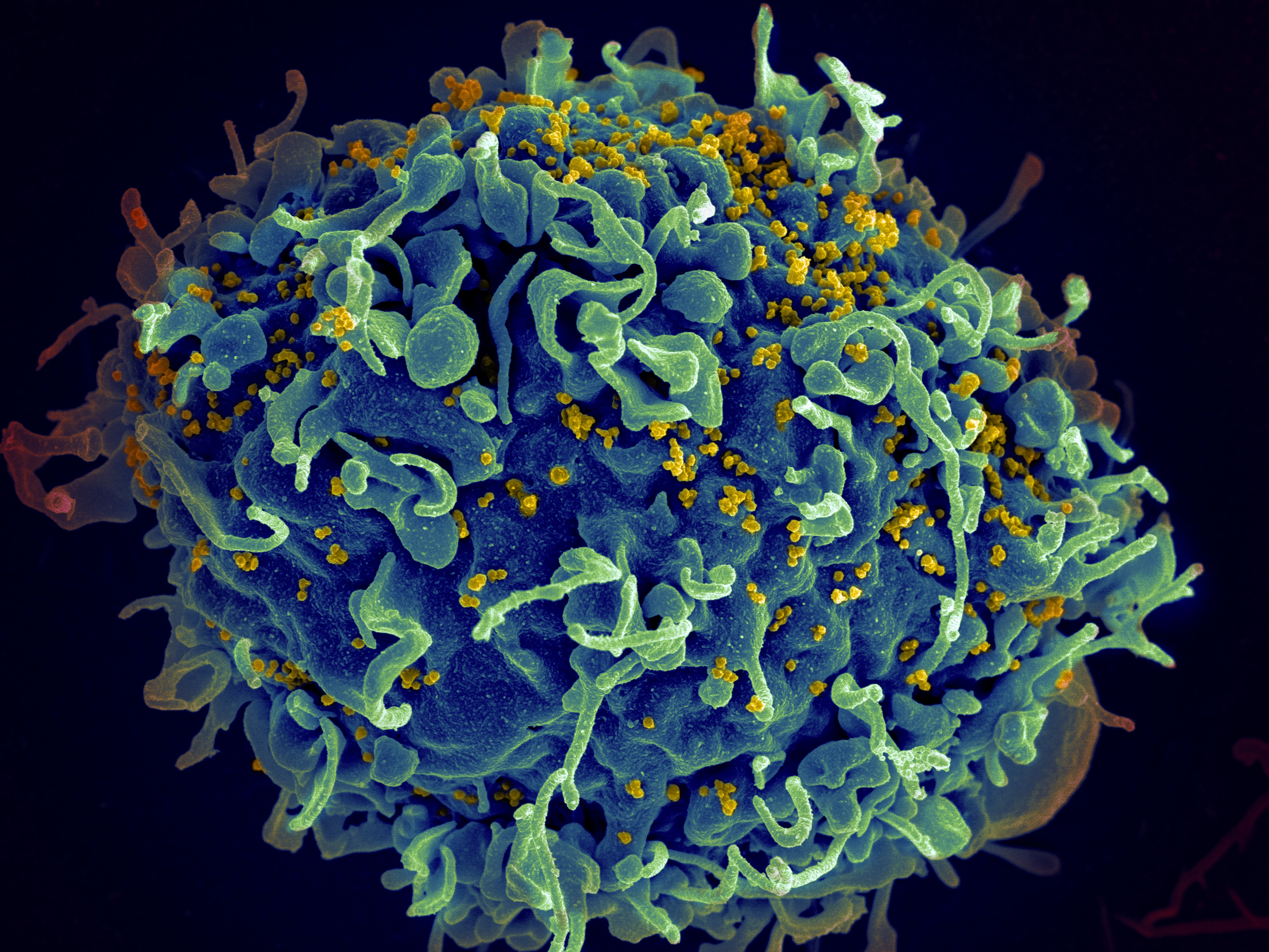
Because the molecular machinery behind fusion is so critical for viral function, it tends to change very little between different strains — just how you’ll find the same car engine in numerous makes and models of vehicles.
Knowing how to halt this common machinery means a flu vaccine could one day be effective against multiple subtypes of the disease and for several years, even as the viruses mutate as usual.
The same goes for the possibility of a broadly effective HIV vaccine, which would target the fusion process across many separate strains.
“This funding is critical to our group to develop an integrated model of viral fusion, and to collect new data to test this model,” said Weliky, whose research leverages nuclear magnetic resonance, or NMR.
Using a strong magnet and radio waves, this analytical technique allows researchers to ‘listen’ to atoms, achieving a clearer picture of their structure and movements.
Making use of instruments in MSU’s Max T. Rogers NMR Core, the latest NIH award will help Weliky’s team develop a play-by-play of how exactly influenza and HIV change their structures during fusion, as well as changes occurring in the host-cell membrane.
“By examining viral fusion at the molecular level, we’re addressing a major unanswered question: which forms of these viral proteins actually drive each stage of membrane fusion?” explained Tahmina Khatun, a Weliky Group graduate student.
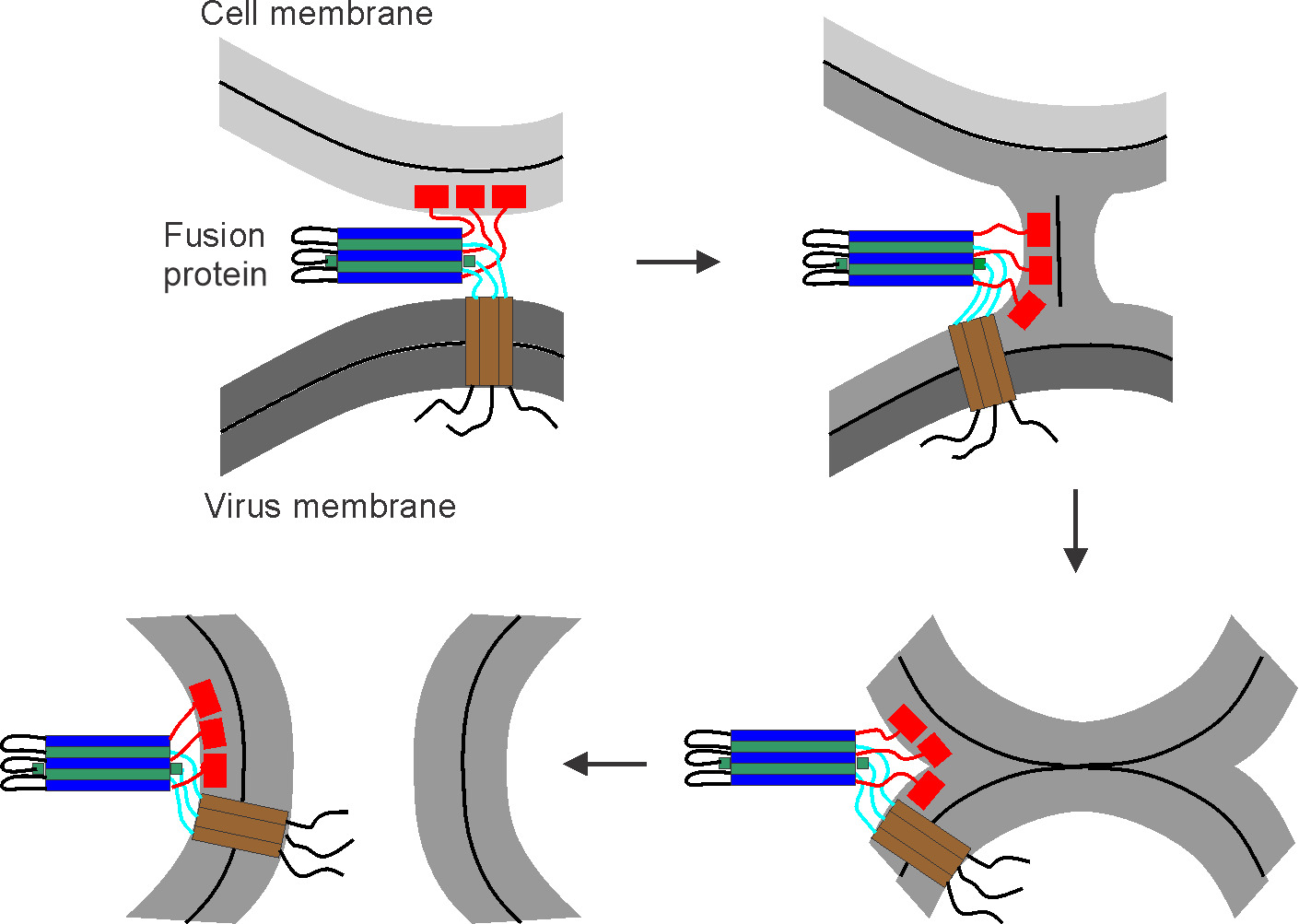
Since HIV and influenza are genetically unrelated, the discovery of shared traits between the two will also support research into the larger family of viruses that rely on viral fusion to spread.
These viruses include the coronaviruses, as well as those responsible for rubella, measles, yellow fever, and Ebola disease.
“Understanding this process could reveal new ways to interrupt infection, such as vaccines and antiviral drugs that block a virus before it can enter a cell,” Khatun added.
- Categories: