Record year of giving fuels the College of Natural Science's future
The College of Natural Science is building on a record year of generosity, with alumni and supporters investing in the people, places and programs that move science forward at Michigan State University.
Between July 1, 2025, and June 30, 2026, the college raised $30.2 million from 2,715 donors, surpassing the college’s previous fundraising record by more than $9 million.
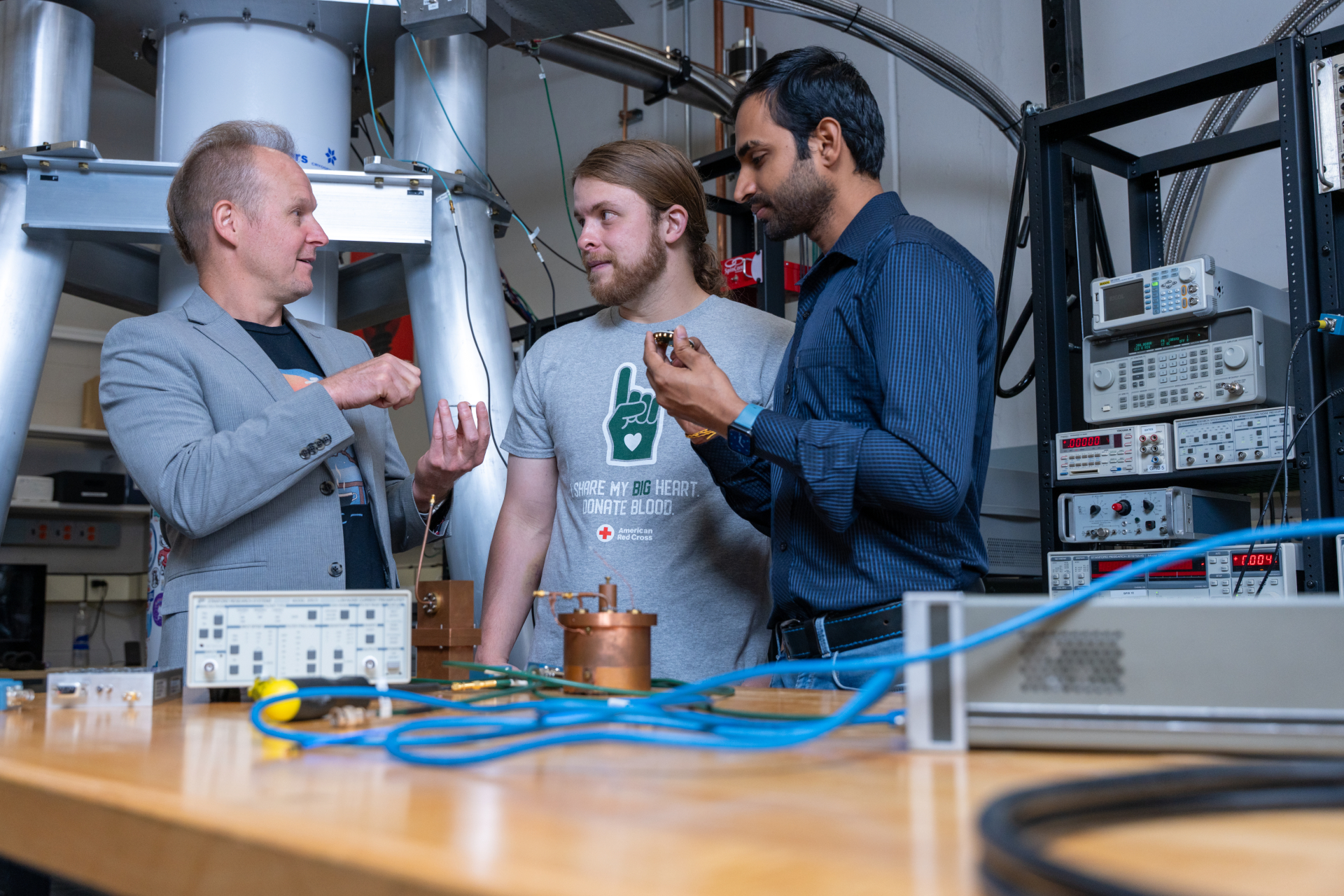
“Our alumni and supporters recognize how important the work happening in Natural Science is,” said Jessie Pung, director of advancement for the College of Natural Science. “From the foundational science we teach to the life-changing research our faculty are pursuing, their generosity gives us the resources to keep that work moving forward and create new opportunities for our students and faculty.”
The year’s momentum comes as MSU continues its Uncommon Will, Far Better World comprehensive campaign, with donors across the university investing in students, faculty, research and the future of MSU.
“What strikes me most about this year is the number of people who chose to be part of what we’re building,” Dean Eric L. Hegg said. “No matter the size of the investment, each donor is now a partner in our mission and in the discoveries still ahead of us.”
Investing in the future of science
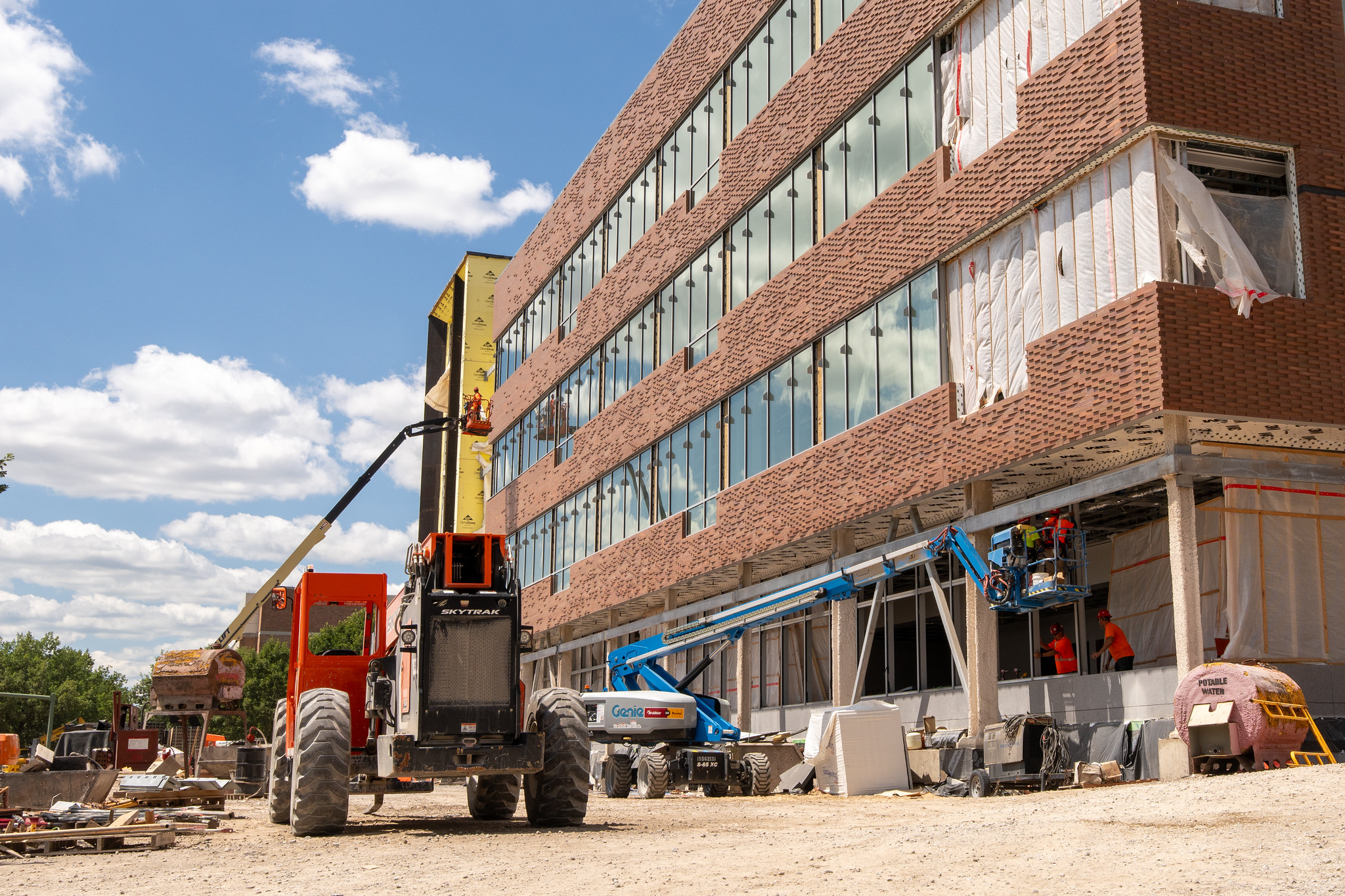
Some of the College of Natural Science’s biggest fundraising priorities this year focused on advancing capital projects, including the Leinweber Center for Engineering and Digital Innovation and the Plant and Environmental Sciences Building.
A cutting-edge, $340 million facility, the Leinweber Center will bring together students, faculty and researchers from six colleges in an interdisciplinary environment focused on emerging fields and new approaches to teaching and research. For the College of Natural Science, the center will create new opportunities to collaborate across disciplines and pursue work at the intersection of science, technology and innovation.
The Plant and Environmental Sciences Building will similarly strengthen the college’s ability to tackle some of the biggest challenges facing agriculture and the environment. The $200 million, 200,000-square-foot facility will bring together researchers from the College of Natural Science and the College of Agriculture and Natural Resources, creating new opportunities for collaboration in areas including plant resilience, photosynthesis, regenerative agriculture and environmental science. The building will also include specialized facilities such as a rooftop phytotron, advanced microscopy and seed storage, giving researchers new tools to study how plants respond to a changing climate.
Among the year’s notable donors were Randy Cowen and Phyllis Green, whose support is contributing to capital projects and faculty support, and Kirkwood Faber, whose giving supports capital projects and the college’s discretionary priorities.
Philanthropic support also helped establish new endowed chair positions, providing long-term resources for faculty whose teaching, mentorship and research shape the college and its impact. For Pung, that kind of investment is especially important because of how broadly the College of Natural Science reaches across the university.
“Everyone passes through our college,” Pung said. “We teach the basic science to all, and our faculty are doing research that can change lives. Supporting that work means investing in the foundation of science education and discovery across the university.”
That impact reaches well beyond the classroom. Natural Science researchers are pursuing discoveries with the potential to change lives, while students are gaining opportunities to put their science into practice through research, internships, study abroad and other experiential learning experiences.
A community behind the momentum
The record year also reflects the lasting relationship between the College of Natural Science and the Spartans who believe in its mission.
“MSU is Michigan’s university that exists to support the state,” Pung said. “We are trying to help and elevate everyone, give people chances and showcase so many talents in many different ways. I think people realize how noble and vital of a goal that is.”
Throughout the year, alumni and friends came together to support the college, reconnect with one another and learn more about the research, teaching and student experiences their philanthropy makes possible. The college’s annual Alumni Awards offered one example of those enduring connections. This year’s event brought alumni, faculty, students and friends of the college together to celebrate achievements across research, teaching, service and professional life. Many of the alumni recognized through the awards also continue to give their time, expertise and financial support to MSU, showing how connections to the college can grow and evolve long after graduation.
“Our students may graduate from the College of Natural Science, but they never really leave our community,” Hegg said. “So many find meaningful ways to stay connected, whether by mentoring students, sharing their expertise or giving back. That enduring relationship is one of our college’s greatest strengths.”
At the College of Natural Science, philanthropy supports work that reaches far beyond the classroom, from foundational science education and life-changing research to experiential learning opportunities and the facilities that make new discoveries possible. As the college builds on this year’s momentum, there are many ways for donors to help shape what comes next. Learn more about giving to the College of Natural Science.
- Categories: