Butterflies
Understanding the complex world of butterflies and other insects is key to safeguarding our food supply and the health of the natural world. MSU scientists have provided eye-opening insights into the state of the nation’s and the world’s butterflies. Our experts in biology, ecology, mathematics and wrangling big data, are identifying possible culprits to the alarming rate at which butterflies are disappearing and rallying the effort to prevent a future without butterflies.
Elise Zipkin
Red Cedar Distinguished Professor in quantitative ecology and director of the MSU Ecology, Evolution, and Behavior Program. She wrangles big data, developing statistical models to unravel some of the world’s natural mysteries at the intersection of ecology, conservation biology and the management of biodiversity.
Learn more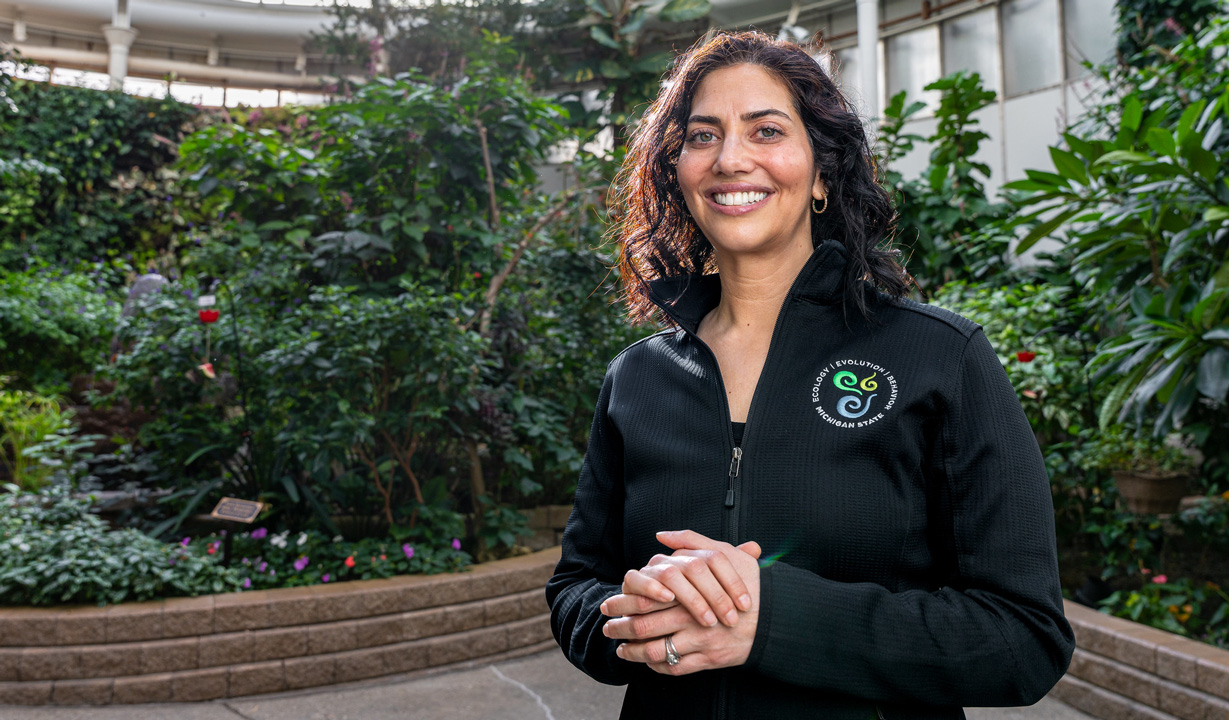
Nick Haddad
Professor and terrestrial ecologist in the Department of Integrative Biology and at Kellogg Biological Station at MSU. He has spent decades studying the world’s rarest butterflies, factors that have led to their decline and how threatened populations can be restored.
Learn more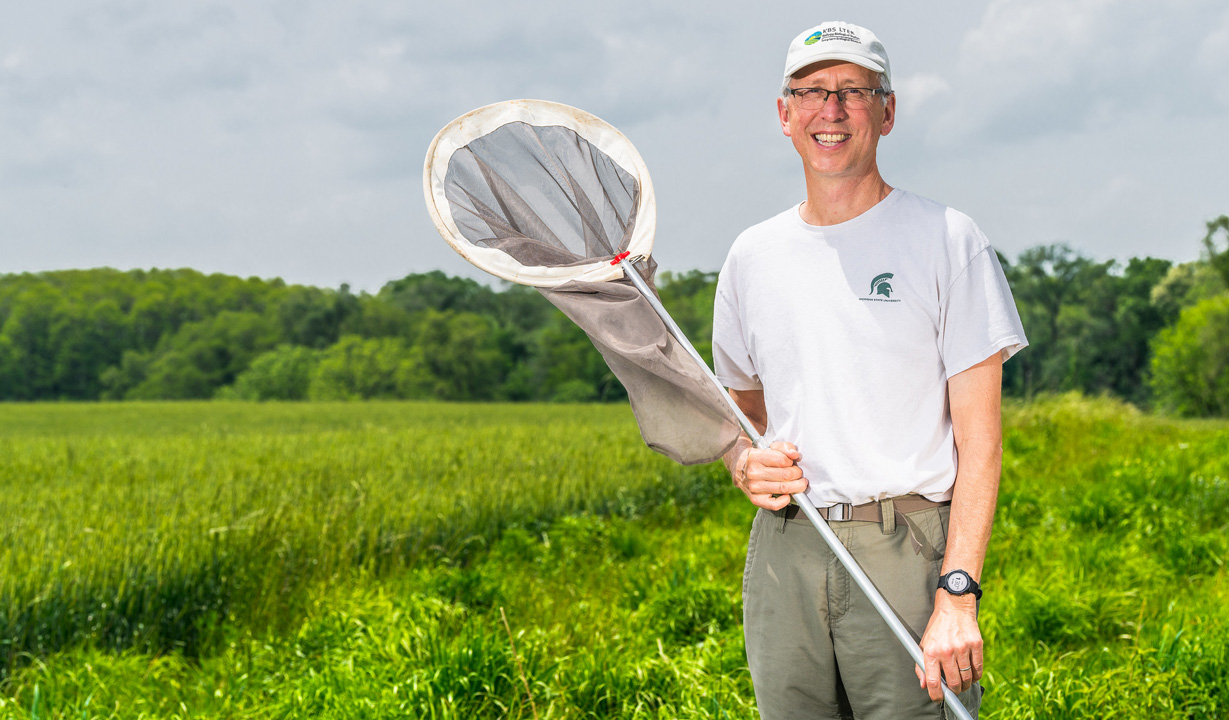
Recent news
In the media
October 23, 2025
Why butterflies are important
Learn about the crucial role butterflies play in our ecosystem as pollinators and a food source for other animals.
Learn more