The science of an interconnected planet
The Earth is a series of interconnected systems. The College of Natural Science is bringing these systems into focus with the new Bachelor of Science degree in Earth and Environmental Sciences, or EES. This fall, students enrolled in this major can explore a range of disciplines across the Earth sciences to help them address critical environmental challenges.
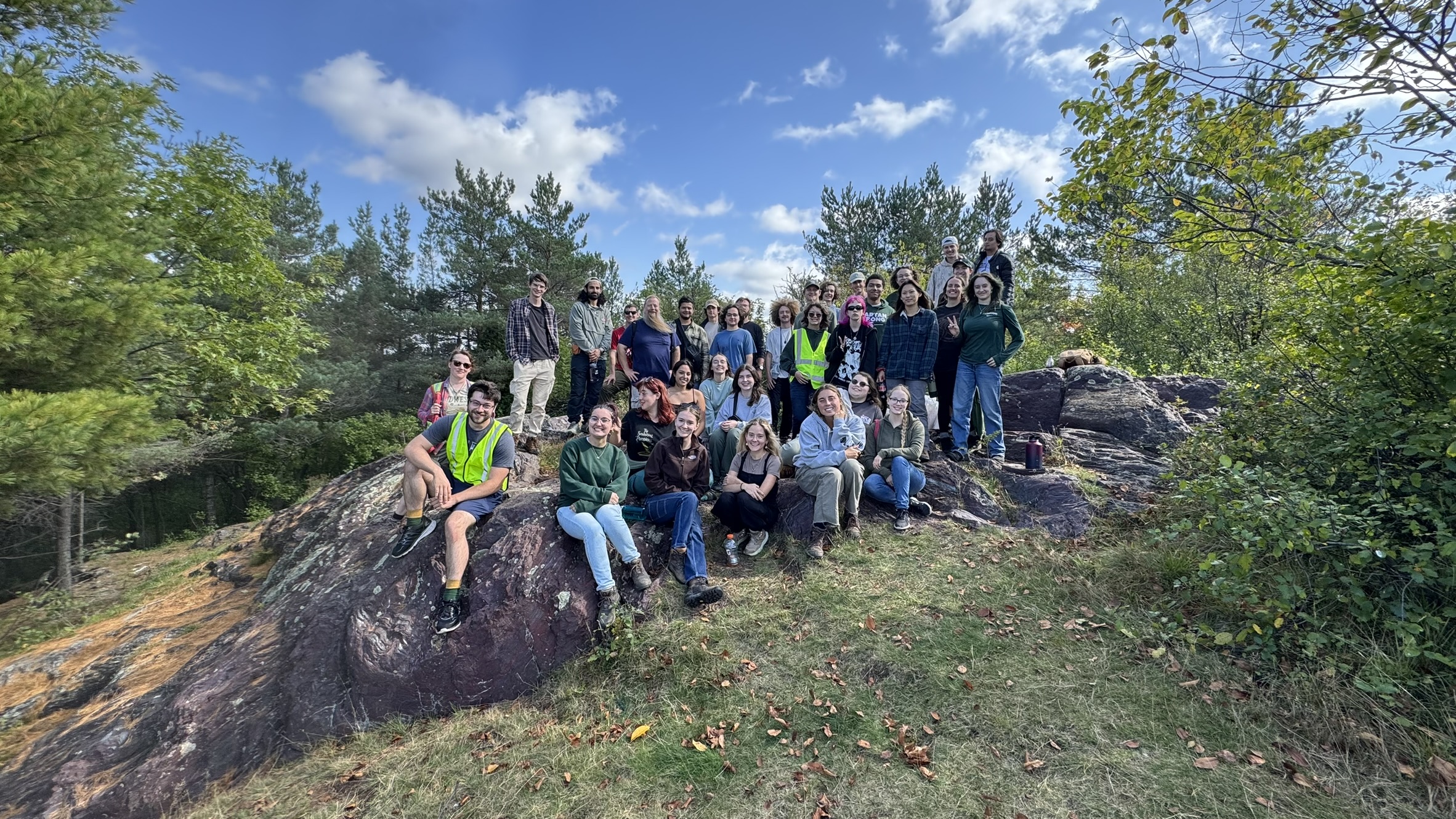
The new degree goes beyond a traditional approach to either geology or environmental science. While students can continue to follow a traditional geology curriculum, they are also given new opportunities to anything from astrobiology to water resources.
“Earth and Environmental Sciences provides something special for interdisciplinary students,” said Susannah Dorfman, associate professor in the Department of Earth and Environmental Sciences. “By merging two majors — Geological Sciences and Environmental Geosciences — we are opening the major up and offering students more flexibility.”
The new major includes biology, chemistry, physics, oceanography and Earth science. With those disciplines combined, students can then bring their newfound expertise to the job market.
“Once you start learning about geology, you start to see the world differently,” said Alexandra Grabowski, a senior in geological sciences and communications director for the Astrobiology Club. “It feels like I know a secret that no one else knows. It really creates an appreciation of everything around you.”
Students will develop critical thinking skills as they pursue scientific lines of inquiry. They learn to read the ecosystems, landscapes and rocks to understand how past climate systems have shaped our world and envision future conditions.
“I love geology because it's like a fun little puzzle,” said Ava Haithcock, a senior environmental geosciences major. “Piecing little bits together to find out where and how a rock formed is so fun, and it's rewarding to see all of it come together.”
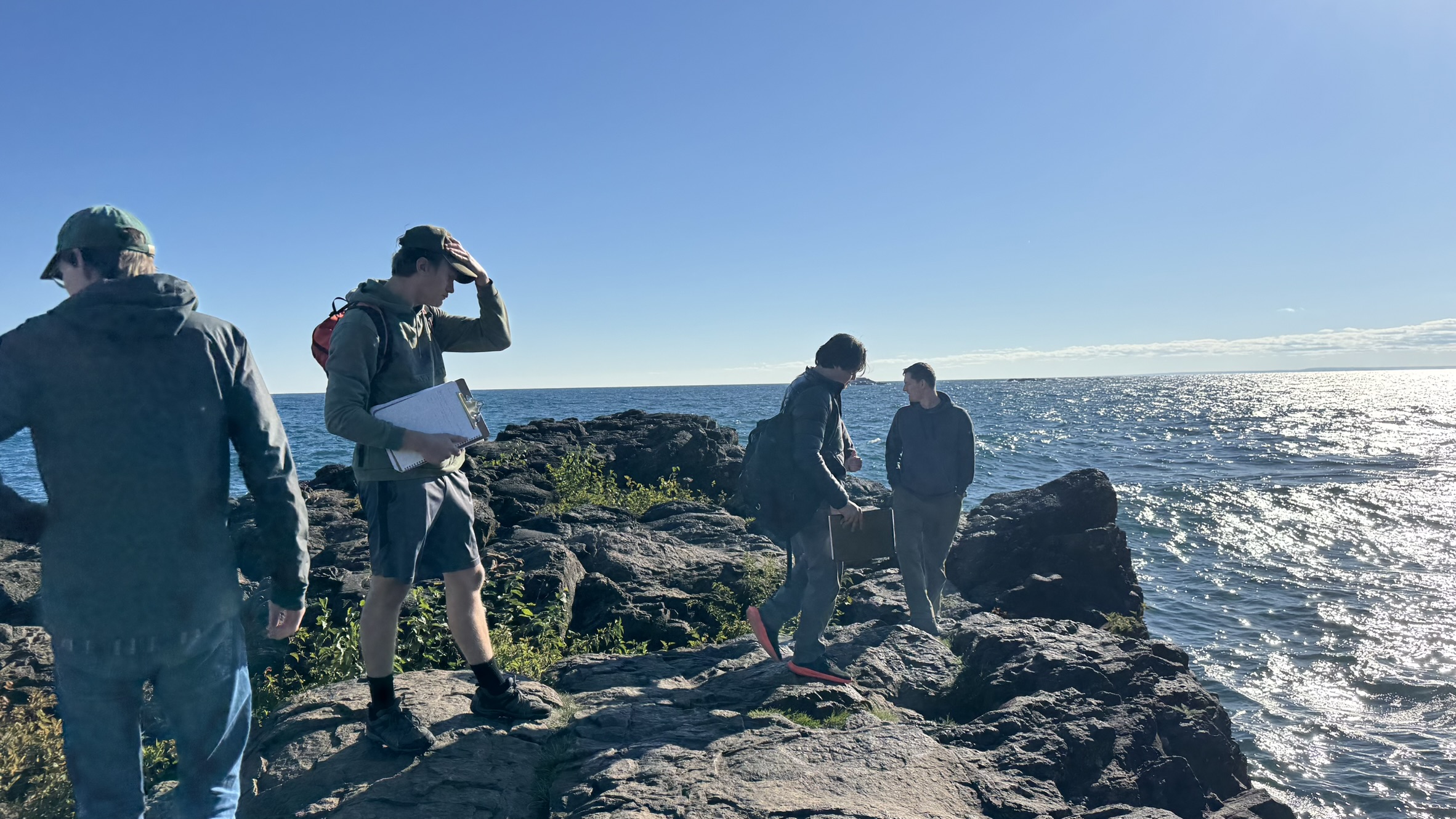
This program also emphasizes hands-on experiences with computational tools, field trips and laboratory-based coursework. EES students begin their studies on campus, sampling local waterways, and expand to weekend-long field trips throughout Michigan. Students will have an opportunity to collect data and conduct analyses through field camps that are now supported through various alumni-supported scholarships.
“The hands-on experience you get in the lab is priceless,” said Mo Shuman, a senior geological sciences major. “You get real-world experiences with practical applications that you can take with you into your job or into graduate school. They make you a better, well-rounded geologist.”
Students can augment their degree with a minor in geophysics. This expands their expertise with skills in geophysical imaging and modeling to understand materials and processes in Earth’s interior to solve planetary and environmental problems.
EES majors also have a built-in community at MSU. Several clubs bring students together to build comradery, navigate academic coursework and identify field and research opportunities.
The department is supported by passionate and generous alumni, who have funded scholarships to support students
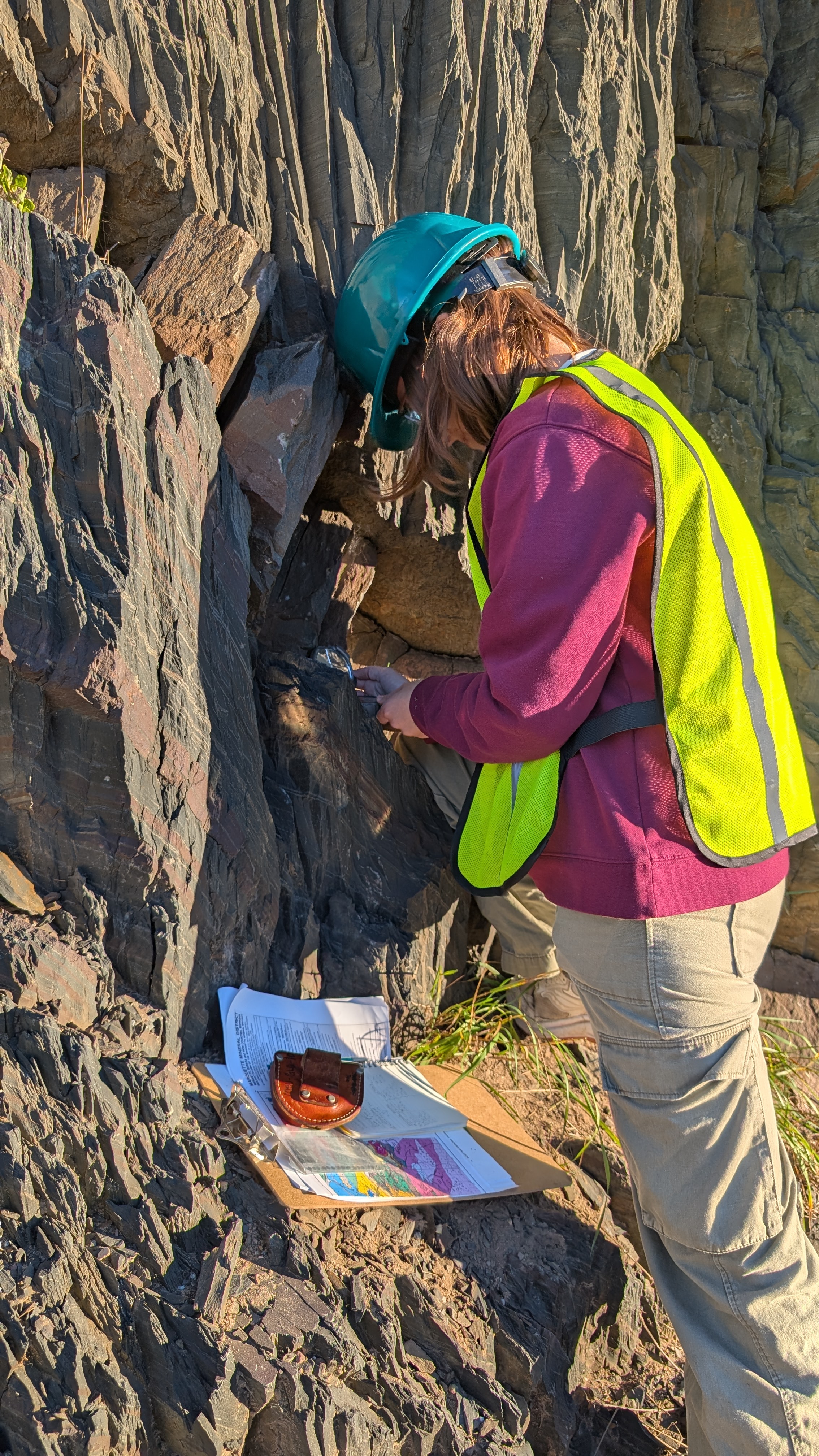
with financial need and to augment their studies through summer field camp and research experiences. MSU alumni also discuss their career journeys during the Distinguished Speaker series.
MSU’s strong alumni network provides graduates with a network into the job market in private, federal and academic fields. Students have been connected with jobs related to hydrology, geophysics, geography, mineralogy, meteorology, paleontology, conservation, park ranger, oceanography, petrology and mining, planetary sciences, environmental engineering, environmental remediation, remote sensing and GIS mapping, spatial data analysis, environmental law and environmental policy.
“If you enjoy being outdoors, learning about how the natural world works and are perhaps thinking of being a scientist in some of Earth's most spectacular regions, geology and Earth science may be one of the best choices you can make in your undergraduate career,” said Jack Garrison, a senior environmental geoscience major. “There are so many unbelievable opportunities to work alongside professors at MSU and do real scientific research, develop and professionalize your skills and prepare you for life in science.”
- Categories: